Search
Search projects, tokens and protocols by name or address
 Privacy Pools v1
Privacy Pools
Privacy Pools v2 is the latest version.
About
A privacy pool system for any amount, where only centrally approved deposits can be withdrawn privately.



About
A privacy pool system for any amount, where only centrally approved deposits can be withdrawn privately.
Privacy Pools lets the user withdraw ETH or ERC-20 tokens in full or in parts, to an address with no visible link to their deposit. Only deposits that 0xbow’s association set provider (ASP)An Association Set Provider (ASP) is the compliance layer used in Privacy Pools. It maintains the set of approved deposits and updates the corresponding roots used by withdrawal proofs, allowing users to prove in zero knowledge that their withdrawal belongs to an approved set without revealing which deposit they are spending. currently approves can leave privately. Depositors, recipients, amounts and timing stay public.
Users trust 0xbow, which runs the ASP and hosts the website, and the 2/4 multisig that can upgrade the Entrypoint without delay. The ASP can withhold approval for any deposit or remove it at any time. Exiting is permissionlessAnyone willing should be able to join and leave the network at any time, without causing significant disturbance to the network or being detrimental to the party in question. No single entity should have the power to allowlist or blocklist participants.: the depositing address can always ragequit its funds from the immutable pools, in public.
Flow
- Deposit. You send funds through the Entrypoint, which keeps the vetting fee and adds a commitment to the asset’s pool. Your address and the amount are public.
- Approval. The ASP adds the deposit’s label to its approved list, usually within hours. It posts the list’s root onchain and the list itself on IPFS.
- Withdraw. The website proves that you own an approved, unspent deposit without revealing which. A relayer submits the proof and pays the gasA virtual fuel used to execute smart contracts on a rollup. The EVM (or other VM within the rollup) uses an accounting mechanism to correspond the consumption of gas to the consumption of computing resources, and to limit the consumption of computing resources. for a fee from the withdrawal. What you leave in the pool stays behind as a change note.
Keys
All notes derive from one recovery phrase. The website creates a random one or derives it from a signature of the user’s wallet. Losing it loses the funds.
App
0xbow hosts the app, built from public source. It works in Tor Browser and accepts the user’s own RPC endpoint and a sign-in with the recovery phrase alone. It picks the first of 0xbow’s Fast Relay and Cloaked Relay that answers, over Tor mostly Cloaked Relay, and offers no way to submit a withdrawal yourself. Google Analytics sets a two-year cookie that links a normal browser’s visits even over an IP-hiding route. A local build keeps 0xbow from serving other code. Only Fast Relay answers it, and Fast Relay refuses most Tor exits, so it needs a route like NymVPN. Accounts from the older 12-word key method send their deposit labels to 0xbow during migration.
Exits
Ragequit. The depositing address can take out a note’s funds at any time, approved or not, directly from the pool. It reveals which deposit the funds belong to, and for a change note, the withdrawal that left it.
Compliance
The ASP screens each depositing address before approving its deposit, under 0xbow’s own due diligence. It may ask for a Proof of Association, which 0xbow’s separate app creates for Tornado Cash withdrawals. Every withdrawal must prove against the ASP’s latest list, so a later list can revoke an earlier approval. A deposit without approval can leave only by ragequit.
Fees
Deposits pay a vetting fee, which the Entrypoint owner can withdraw. Relayers set their own fee per withdrawal, within a cap per asset:
- 0% vetting fee, 10% maximum relayer fee: frxUSD, fxUSD, sUSDS, USDe, USDS, WBTC, wOETH, wstETH.
- 0% vetting fee, 5% maximum relayer fee: DAI, USD1.
- 0.5% vetting fee, 10% maximum relayer fee: BOLD, ETH, USDC, USDT.
A withdrawal the user submits directly pays no relayer fee.
Anonymity setIn privacy protocols, anonymity set denotes all users, to which a particular withdrawal could be plausibly attributed. Anonymity set depends on a particular withdrawal, the size of the anonymity set is a metric for level of user's privacy.
Each pool has its own set: the approved deposits whose notes still hold at least the withdrawn amount. Deposits the ASP has not approved never count. Smaller withdrawals from larger pools hide among more deposits.
What the protocol promises: Hides which deposit funds which withdrawal, for deposits the ASP approves. Everything else is public.
- v1.privacypools.comReference
The ratings assume this app, since 2026-09-16 · Source 7df4111
- Hosted
- The website serves the code at each visit and can change it at any time, even for one user alone.
- Open
- The source is public, but no rebuild confirms the app comes from it.
 Cloaked web appLeaks more
Its relay submits both the deposit and the withdrawal, and Cloaked keeps which belong together.
Fix: Track notes on the device and send withdrawals to a relayer with no tie to the Cloaked account. · Source (checked 2026-10-30)
 moneysurferLeaks more
Resumes each sync where its last run stopped, so the RPC can tie the deposit run to the withdrawal run across IPs.
Fix: Start every sync at the pool's deployment block, as v1.privacypools.com does. · Source
Ethereum is public by default. Each protocol is rated on its main privacy promise, like hiding who paid, who received, how much, or which deposit became which withdrawal. Against each adversary, the colour says whether it holds for a careful user with the app's own settings: green yes, yellow only with significant extra work, red no. Fields marked at risk stay private only under the condition in their note.
Advice: How to stay private
A zero-knowledgeA cryptographic technology and sub-discipline of cryptography that allows an individual to prove that a statement or computation is true without revealing any additional information. proof hides which approved deposit a withdrawal spends. Partial withdrawals leave a change note and look like full ones.
A relayed withdrawal of a common amount hides among all approved deposits of its pool. The approved list at any blockAn ordered list of transactions and chain-related metadata that gets bundled together and published to the L1/DA layer. Nodes execute the transactions contained within blocks to change the rollup chain’s state. Protocol rules dictate what constitutes a valid block, and invalid blocks are skipped over. is public. Any amount is allowed, so an unusual one pairs a deposit with its withdrawal. Paying gasA virtual fuel used to execute smart contracts on a rollup. The EVM (or other VM within the rollup) uses an accounting mechanism to correspond the consumption of gas to the consumption of computing resources, and to limit the consumption of computing resources. from the user’s wallet instead of a relayer exposes its fingerprint, account implementation and fee habits, even from a fresh address.
The website works in Tor Browser and scans every pool whole, matching notes locally without revealing the user’s deposits to third parties. Cloaked Relay receives amount, asset and recipient with the first quote. The website confirms a relayed withdrawal from bulk reads of new blocksAn ordered list of transactions and chain-related metadata that gets bundled together and published to the L1/DA layer. Nodes execute the transactions contained within blocks to change the rollup chain’s state. Protocol rules dictate what constitutes a valid block, and invalid blocks are skipped over., so no request names its hashA fixed-length fingerprint of variable-size input, produced by a hash function.. 0xbow’s Google Analytics runs without a consent prompt and records the hash of any explorer link the user opens. On a quiet pool, the RPC can time a wallet sign-in against the withdrawal the same session waits for.
The ASPAn Association Set Provider (ASP) is the compliance layer used in Privacy Pools. It maintains the set of approved deposits and updates the corresponding roots used by withdrawal proofs, allowing users to prove in zero knowledge that their withdrawal belongs to an approved set without revealing which deposit they are spending. postman can publish a new approved list at any time with no delay, and withdrawals must prove against the latest one. It can deny the user a private exit or publish a list containing only their deposit, reducing their anonymity setIn privacy protocols, anonymity set denotes all users, to which a particular withdrawal could be plausibly attributed. Anonymity set depends on a particular withdrawal, the size of the anonymity set is a metric for level of user's privacy. to one. The website counts the anonymity set it shows from 0xbow’s own feed, not from the list the user’s withdrawal proves against. 0xbow’s website and ASP feeds see every session’s IP and Fast Relay, its relayer, each recipient it relays, so 0xbow can pair deposit and exit sessions. It can also change the website at any time.
Nothing encrypted is written onchain and commitments are Poseidon hashes, so whoever breaks elliptic-curve cryptography recovers nothing from the chain. Accounts created from a wallet signature reduce to that wallet’s key.
What a careful user does with the reference app, in order. The ratings assume these steps.
Every habit explained- 1DepositCreate your account from a recovery phrase, not from a wallet signature. Use the pool with the most depositors. Your usual browser and wallet will do, since the deposit is public.Against:
- 2WaitWait a random time before exiting, and exit only after many others have moved funds in and out.Random between 0 and 30 days, the anonymity set's window.Against:
- 3Sign inoutside the appOpen the app in Tor Browser. Sign in with your recovery phrase, so no wallet address is queried. Open no explorer links in that session.Against:
- 4Checkoutside the appBefore withdrawing, find the latest RootUpdated event of the Entrypoint contract and open the list it names on IPFS. Withdraw only if the list holds many deposits.Against:
- 5WithdrawUse a relayer for the exit, so no wallet of yours pays gasA virtual fuel used to execute smart contracts on a rollup. The EVM (or other VM within the rollup) uses an accounting mechanism to correspond the consumption of gas to the consumption of computing resources, and to limit the consumption of computing resources. for the receiving address. Move common amounts rather than everything at once. Send each exit to a fresh address and spend from it with a separate wallet.Against:
- 6RagequitRagequit only deposits you never withdrew from, since ragequitting a change note reveals the withdrawal that left it.Against:
30 day historic anonymity set
How many unique depositors you could have blended in with if you withdrew on a particular day after depositing during the previous 30 days. This metric is a proxy for the historic anonymity set and shows how it developed over time.
The metric looks backwards: it counts deposits that already happened, including from addresses that have since withdrawn. Your real anonymity also depends on deposits made after yours, which cannot be known in advance.
Estimated anonymity set by holding duration
An estimate of how many unique depositors you blend in with, depending on how long you leave your deposit in the pool. It is based on historic data of past deposits: each point counts depositors from the preceding period, so holding for up to 30 days effectively means blending in with everyone who deposited during the last 30 days.
Asset | Deposits 7D | Deposits 30D | Deposits Total | Value Locked |
|---|---|---|---|---|
 USDT | 10 $11.66 K | 74 $576.42 K | 591 $11.00 M | $6.59 M |
 ETH | 28 $33.06 K | 314 $624.40 K | 6.51 K $12.70 M | $1.29 M |
 USDC | 3 $29.70 K | 29 $264.38 K | 917 $5.20 M | $404.22 K |
 wstETH | 0 $0.00 | 1 $24.43 K | 45 $408.20 K | $59.85 K |
 BOLD | 0 $0.00 | 0 $0.00 | 20 $50.42 K | $49.64 K |
 frxUSD | 0 $0.00 | 0 $0.00 | 9 $11.73 K | $10.07 K |
 wOETH | 0 $0.00 | 0 $0.00 | 4 $12.88 K | $4.43 K |
 WBTC | 0 $0.00 | 0 $0.00 | 6 $17.01 K | $3.63 K |
 USDS | 0 $0.00 | 0 $0.00 | 18 $13.51 K | $2.48 K |
 sUSDS | 0 $0.00 | 0 $0.00 | 11 $4.83 K | $1.40 K |
 USD1 | 0 $0.00 | 0 $0.00 | 4 $2.33 K | $1.34 K |
 DAI | 0 $0.00 | 0 $0.00 | 8 $21.76 K | $779.96 |
 fxUSD | 0 $0.00 | 0 $0.00 | 76 $1.75 M | $710.67 |
 USDe | 0 $0.00 | 0 $0.00 | 1 $995.39 | — |
| Total | 41 $74.43 K | 418 $1.48 M | 8.22 K $31.21 M | $8.42 M |
ASP revokes every fxUSD approval
11 Mar 2026
Approved fxUSD deposits leave the list for 13 days, with public ragequit as the only exit.
ASP halts all private withdrawals
11 Mar 2026
The ASPAn Association Set Provider (ASP) is the compliance layer used in Privacy Pools. It maintains the set of approved deposits and updates the corresponding roots used by withdrawal proofs, allowing users to prove in zero knowledge that their withdrawal belongs to an approved set without revealing which deposit they are spending. posts a root no deposit belongs to, blocking every private withdrawal for two hours.
Funds can be stolen if
- the zk proof systemThe infrastructure that allows projects to verify their state transitions. It is composed by onchain verifiers and offchain provers. The main two flavors are optimistic and ZK proof systems, but they can be combined in a hybrid model. In general though, if a system is able to accept state roots optimistically, even if it has a ZK component, it is considered an optimistic proof system. is broken, allowing invalid withdrawals.
- all trusted setup participants collude or leak their secrets, allowing forged proofs.
- the Entrypoint owner deploys a malicious upgrade that steals new deposits or withdrawals relayed after it.
Funds can be lost if
- a user loses the recovery phrase that their notes derive from.
Privacy can be lost if
- the ASPAn Association Set Provider (ASP) is the compliance layer used in Privacy Pools. It maintains the set of approved deposits and updates the corresponding roots used by withdrawal proofs, allowing users to prove in zero knowledge that their withdrawal belongs to an approved set without revealing which deposit they are spending. leaves deposits out of its latest list, which blocksAn ordered list of transactions and chain-related metadata that gets bundled together and published to the L1/DA layer. Nodes execute the transactions contained within blocks to change the rollup chain’s state. Protocol rules dictate what constitutes a valid block, and invalid blocks are skipped over. their private exit, up to halting all private withdrawals (see privileged insider).
- the ASP keeps only a few deposits in its latest list, so withdrawals proven against it point to one of them (see privileged insider).
- 0xbow pairs the IP of a deposit session with the session waiting for a withdrawal across its website, ASP feeds and relayer (see privileged insider).
- both relayers the website lists refuse a withdrawal, so the user must self-relay or find a relayer elsewhere (see chain analyst).
- a user withdraws signed in with a wallet on the default RPC, so Alchemy ties the wallet to the withdrawal by timing (see networkA constellation of nodes (peers) that communicate via a peer-to-peer protocol, for example, in propagating transactions and blocks to other nodes. observer).
The 2/4 Privacy Pools Multisig holds the Entrypoint’s owner role. It can upgrade the Entrypoint, register, configure and wind down pools, set fees and withdraw the vetting fees, all without delay. It also appoints the ASPAn Association Set Provider (ASP) is the compliance layer used in Privacy Pools. It maintains the set of approved deposits and updates the corresponding roots used by withdrawal proofs, allowing users to prove in zero knowledge that their withdrawal belongs to an approved set without revealing which deposit they are spending. postmen, who post the approved roots. The pools and verifiers are immutable. Relayed withdrawals and new deposits pass through the Entrypoint, so a malicious upgrade can steal them. Ragequit works without the Entrypoint, so funds already in the pools can always leave to their depositing addresses.
Privacy Pools v1
- 1Phase 1 · Universal61contributions
- 2Phase 2 · Circuit-specific513–514contributions
Ragequit: 513. Withdraw: 514.
Detailed description
Trusted setupGeneration of a piece of data that must then be used for some cryptographic protocol to run. Generating this data requires some secret information. The "trust" comes from the fact the secret must be destroyed after the ceremony, otherwise cryptographic properties of the protocol could be broken. Once the data is generated, and the secrets are forgotten, no further participation from the creators of the ceremony is required. There are two types of trusted setups for SNARKs: (i) trusted setup per circuit where it is generated from scratch for each circuit, (ii) trusted universal setup per proving system where it can be used for several circuits. for two Groth16A zk-SNARK proving system introduced by Groth in 2016 that proves arithmetic circuits and requires a separate trusted setup for each circuit. It allows extremely efficient proof verification. Privacy Pools circuits: the Ragequit circuitA program written for the purpose of being proven within a proving system. A circuit is a mathematical representation of the computation to be executed, arithmetic circuits and zkVM execution trace are examples of circuits. Circuits can be written in different languages, ranging from low-level to high-level. and the private Withdrawal circuit.
This trusted setup ceremony uses the ppot_0080 files from the
Perpetual Powers of Tau ceremony as Phase 1For Groth16 trusted setup, phase 1 represents circuit-independent part of the trusted setup (e.g. Perpetual Powers of Tau), which could be reused across different circuits. It generates a part of the secret cryptographic data required for Groth16 ZK protocol to work. If the outcome of phase 1 trusted setup ceremony is known, arbitrary proofs could be forged..
They contain 61 participant contributions and one public randomness beacon, for 62
transcript records. The contribution IDs are 0001–0058 and 0078–0080: contribution
0078 resumes from 0058 after a fork, so 0080 is an identifier rather than a count.
Phase 2For Groth16 trusted setup, phase 2 represents circuit-dependent part of the trusted setup. It generates a part of the secret cryptographic data required for Groth16 ZK protocol to work. If the outcome of phase 2 trusted setup ceremony is known, arbitrary proofs could be forged. of the ceremony was publicly announced, open to anonymous and identified participants, and concluded in March 2025. It contains 514 contributions to the Withdraw circuit and 513 to the Ragequit circuit. The finalized zKeys were published for independent verification, and the ceremony code and UI were open-sourced.
- Phase 1 ceremony: https://github.com/privacy-ethereum/perpetualpowersoftau.
- Phase 1 fork and included contribution IDs: https://github.com/privacy-ethereum/perpetualpowersoftau/blob/b077232729db7c9eb65b63c4aaaa0ac4a1b0bba2/README.md#note-on-chain-fork.
- Ceremony completion announcement: https://0xbow.io/blog/celebrating-the-conclusion-of-the-trusted-setup-ceremony
- Ceremony page with finalized zKeys: https://ceremony.pse.dev/projects/Privacy%20Pools%20Ceremony
- Initial ceremony announcement: https://0xbow.io/blog/privacy-pools-trusted-setup-ceremony-join-us-in-strengthening-privacy
- Privacy Pools repository: https://github.com/0xbow-io/privacy-pools-core
Verification | Used in | Known deployments | |||||||||||||||||||||||||||||||||||||||||||||||||||||||||||||||||||||||||||||||||||||||||||||||||
|---|---|---|---|---|---|---|---|---|---|---|---|---|---|---|---|---|---|---|---|---|---|---|---|---|---|---|---|---|---|---|---|---|---|---|---|---|---|---|---|---|---|---|---|---|---|---|---|---|---|---|---|---|---|---|---|---|---|---|---|---|---|---|---|---|---|---|---|---|---|---|---|---|---|---|---|---|---|---|---|---|---|---|---|---|---|---|---|---|---|---|---|---|---|---|---|---|---|---|---|
Privacy Pools verifiers v1.2.1 | by | | |||||||||||||||||||||||||||||||||||||||||||||||||||||||||||||||||||||||||||||||||||||||||||||||||
Verifier ID: Privacy Pools Withdrawal and Ragequit verifiers 03.07.2026Known deployments2 Used in Verification steps Privacy Pools uses two Groth16A zk-SNARK proving system introduced by Groth in 2016 that proves arithmetic circuits and requires a separate trusted setup for each circuit. It allows extremely efficient proof verification. circuits — Generally, to regenerate the two Privacy Pools verification keys, the following has to be done:
Helper scripts that implement the flow above and more detailed explanations could be found in this script .zip archive. This .zip must be extracted in the | |||||||||||||||||||||||||||||||||||||||||||||||||||||||||||||||||||||||||||||||||||||||||||||||||||
Ossification
Contracts our research team classifies as critical form the project's critical perimeter. Its clock starts at the ossification genesis, and every critical change resets it (changes within 24 hours count as one). The ossification score is the share of recorded code-bug exploits whose exploited code was younger than this perimeter is today. Battle-tested exposure is the value secured, summed over that unchanged period.
Discovery updates
1changeIncreased vetting fee on USDT deposits from 0 to 0.5%.
Increased vetting fee on USDT deposits from 0 to 0.5%.
| contract PrivacyPoolUSDT (eth:0xe859C0bD25f260BaEE534Fb52e307D3b64D24572) [privacy-pools/PrivacyPoolComplex] { | |
| +++ description: ERC20 Privacy Pool that escrows one asset for one scope. Withdrawals and ragequits depend on the linked Groth16 verifiers and on the latest association-set root in the Entrypoint. | |
| values.assetConfigFromEntrypoint.vettingFeeBPS: | |
| - | 0 |
| + | 50 |
| } | |
2changestwo signers change.
two signers change.
| contract Privacy Pools Multisig (eth:0xAd7f9A19E2598b6eFE0A25C84FB1c87F81eB7159) [GnosisSafe] { | |
| +++ description: None | |
| values.$members.2: | |
| - | "eth:0x554c5aF96E9e3c05AEC01ce18221d0DD25975aB4" |
| + | "eth:0x652E36f8EA937c19417380dCDb48D6e4375d13dA" |
| values.$members.3: | |
| - | "eth:0x42FEdcd80C8C9694DBc3b2ff0fD48BB8651dfC62" |
| + | "eth:0xE8A2cC5c2349615D947b9d9fE5D7F144730cAf77" |
| } | |
19changesDiscovery rerun on the same block number with only config-related changes.
Discovery rerun on the same block number with only config-related changes.
Initial discovery
| + | Status: CREATED |
| contract WithdrawalVerifier (eth:0x022891F938Ae7fDC8Ab9Ead0FBf50aBA8C897D6d) | |
| +++ description: Stateless Groth16 verifier used by Privacy Pool contracts to verify withdrawal proofs. The verification key is hardcoded in the contract and there are no privileged roles or mutable configuration. | |
| + | Status: CREATED |
| contract PrivacyPoolUSDS (eth:0x05e4DBD71B56861eeD2Aaa12d00A797F04B5D3c0) | |
| +++ description: ERC20 Privacy Pool that escrows one asset for one scope. Only the Entrypoint can create deposits or wind the pool down. Withdrawals and ragequits depend on the linked Groth16 verifiers and on the latest association-set root in the Entrypoint. | |
| + | Status: CREATED |
| contract PrivacyPoolWstETH (eth:0x1A604E9DFa0EFDC7FFda378AF16Cb81243b61633) | |
| +++ description: ERC20 Privacy Pool that escrows one asset for one scope. Only the Entrypoint can create deposits or wind the pool down. Withdrawals and ragequits depend on the linked Groth16 verifiers and on the latest association-set root in the Entrypoint. | |
| + | Status: CREATED |
| contract PrivacyPoolDAI (eth:0x1c31C03B8CB2EE674D0F11De77135536db828257) | |
| +++ description: ERC20 Privacy Pool that escrows one asset for one scope. Only the Entrypoint can create deposits or wind the pool down. Withdrawals and ragequits depend on the linked Groth16 verifiers and on the latest association-set root in the Entrypoint. | |
| + | Status: CREATED |
| contract PrivacyPoolsEntrypoint (eth:0x6818809EefCe719E480a7526D76bD3e561526b46) | |
| +++ description: UUPS-upgradeable hub for Privacy Pools. It accepts deposits, relays withdrawals, tracks association-set roots published by the ASP, and maps each supported asset and scope to a pool. Trusting this contract means trusting OWNER_ROLE holders to upgrade it, manage pools and fees, and withdraw fees, and trusting ASP_POSTMAN holders to publish the latest association-set root used by withdrawals. | |
| + | Status: CREATED |
| contract PrivacyPoolWOETH (eth:0x7d2959bCFb936a84531518e8391DdBa844e03ebE) | |
| +++ description: ERC20 Privacy Pool that escrows one asset for one scope. Only the Entrypoint can create deposits or wind the pool down. Withdrawals and ragequits depend on the linked Groth16 verifiers and on the latest association-set root in the Entrypoint. | |
| + | Status: CREATED |
| contract RagequitVerifier (eth:0xa45ACa8604a73D80C551fAad6355A5c3A5565eC6) | |
| +++ description: Stateless Groth16 verifier used by Privacy Pool contracts to verify ragequit proofs. The verification key is hardcoded in the contract and there are no privileged roles or mutable configuration. | |
| + | Status: CREATED |
| contract PrivacyPoolsAdminSafe (eth:0xAd7f9A19E2598b6eFE0A25C84FB1c87F81eB7159) | |
| +++ description: None | |
| + | Status: CREATED |
| contract PrivacyPoolUSDC (eth:0xb419c2867aB3CBc78921660cB95150d95A94ce86) | |
| +++ description: ERC20 Privacy Pool that escrows one asset for one scope. Only the Entrypoint can create deposits or wind the pool down. Withdrawals and ragequits depend on the linked Groth16 verifiers and on the latest association-set root in the Entrypoint. | |
| + | Status: CREATED |
| contract PrivacyPoolBOLD (eth:0xb4b5Fd38Fd4788071d7287e3cB52948e0d10b23E) | |
| +++ description: ERC20 Privacy Pool that escrows one asset for one scope. Only the Entrypoint can create deposits or wind the pool down. Withdrawals and ragequits depend on the linked Groth16 verifiers and on the latest association-set root in the Entrypoint. | |
| + | Status: CREATED |
| contract PrivacyPoolSUSDS (eth:0xBBdA2173CDFEA1c3bD7F2908798F1265301d750c) | |
| +++ description: ERC20 Privacy Pool that escrows one asset for one scope. Only the Entrypoint can create deposits or wind the pool down. Withdrawals and ragequits depend on the linked Groth16 verifiers and on the latest association-set root in the Entrypoint. | |
| + | Status: CREATED |
| contract PrivacyPoolUSD1 (eth:0xc0A8Bc0F4F982b4d4f1fFae8F4FCCb58c9B29c98) | |
| +++ description: ERC20 Privacy Pool that escrows one asset for one scope. Only the Entrypoint can create deposits or wind the pool down. Withdrawals and ragequits depend on the linked Groth16 verifiers and on the latest association-set root in the Entrypoint. | |
| + | Status: CREATED |
| contract PrivacyPoolFrxUSD (eth:0xC6C769fac7AABEadd31a03fAe5Ca0Ec5B4C50f84) | |
| +++ description: ERC20 Privacy Pool that escrows one asset for one scope. Only the Entrypoint can create deposits or wind the pool down. Withdrawals and ragequits depend on the linked Groth16 verifiers and on the latest association-set root in the Entrypoint. | |
| + | Status: CREATED |
| contract PrivacyPoolFxUSD (eth:0xD14F4B36E1D1D98c218db782c49149876042BC56) | |
| +++ description: ERC20 Privacy Pool that escrows one asset for one scope. Only the Entrypoint can create deposits or wind the pool down. Withdrawals and ragequits depend on the linked Groth16 verifiers and on the latest association-set root in the Entrypoint. | |
| + | Status: CREATED |
| EOA (eth:0xd76eEb2A6fcf55dc80D046FFbc96D1A2B45AB52E) | |
| +++ description: None | |
| + | Status: CREATED |
| contract PrivacyPoolUSDe (eth:0xe6D36B33b00A7C0cB0C2a8d39D07e7dB0c526Abc) | |
| +++ description: ERC20 Privacy Pool that escrows one asset for one scope. Only the Entrypoint can create deposits or wind the pool down. Withdrawals and ragequits depend on the linked Groth16 verifiers and on the latest association-set root in the Entrypoint. | |
| + | Status: CREATED |
| contract PrivacyPoolUSDT (eth:0xe859C0bD25f260BaEE534Fb52e307D3b64D24572) | |
| +++ description: ERC20 Privacy Pool that escrows one asset for one scope. Only the Entrypoint can create deposits or wind the pool down. Withdrawals and ragequits depend on the linked Groth16 verifiers and on the latest association-set root in the Entrypoint. | |
| + | Status: CREATED |
| contract PrivacyPoolETH (eth:0xF241d57C6DebAe225c0F2e6eA1529373C9A9C9fB) | |
| +++ description: Native-asset Privacy Pool that escrows ETH commitments for one scope. Only the Entrypoint can create deposits or wind the pool down. Withdrawals and ragequits depend on the linked Groth16 verifiers and on the latest association-set root in the Entrypoint. | |
| + | Status: CREATED |
| contract PrivacyPoolWBTC (eth:0xF973f4B180A568157Cd7A0E6006449139E6Bfc32) | |
| +++ description: ERC20 Privacy Pool that escrows one asset for one scope. Only the Entrypoint can create deposits or wind the pool down. Withdrawals and ragequits depend on the linked Groth16 verifiers and on the latest association-set root in the Entrypoint. | |
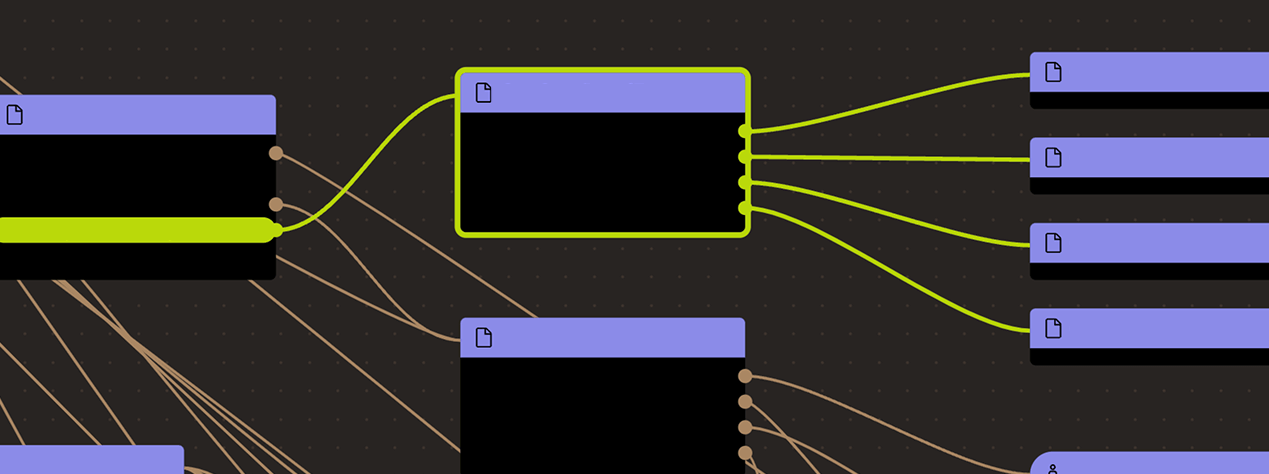
Ethereum
Actors:
A Multisig with 2/4 threshold.
- Can interact with Privacy
Pools Entrypoint - authorize UUPS upgrades to the Entrypoint implementation
- grant and revoke OWNER_ROLE and ASP_POSTMAN
- publish a new association-set root and its IPFS list at any time. Private withdrawals must prove against the latest root, so a new root can exclude any deposit or narrow the set to a few
- register and remove pools, update per-asset minimum deposits and fee caps, and wind down pools
- withdraw fees held in the Entrypoint
- Can interact with Privacy
Pools Entrypoint - publish a new association-set root and its IPFS list at any time. Private withdrawals must prove against the latest root, so a new root can exclude any deposit or narrow the set to a few
Ethereum
ERC20 Privacy Pool that escrows one asset for one scope. Withdrawals and ragequits depend on the linked Groth16A zk-SNARK proving system introduced by Groth in 2016 that proves arithmetic circuits and requires a separate trusted setup for each circuit. It allows extremely efficient proof verification. verifiers and on the latest association-set root in the Entrypoint.
ERC20 Privacy Pool that escrows one asset for one scope. Withdrawals and ragequits depend on the linked Groth16A zk-SNARK proving system introduced by Groth in 2016 that proves arithmetic circuits and requires a separate trusted setup for each circuit. It allows extremely efficient proof verification. verifiers and on the latest association-set root in the Entrypoint.
ERC20 Privacy Pool that escrows one asset for one scope. Withdrawals and ragequits depend on the linked Groth16A zk-SNARK proving system introduced by Groth in 2016 that proves arithmetic circuits and requires a separate trusted setup for each circuit. It allows extremely efficient proof verification. verifiers and on the latest association-set root in the Entrypoint.
Main hub for Privacy Pools. Entrypoint for deposits, relayed withdrawals, pool registry/configuration, ASPAn Association Set Provider (ASP) is the compliance layer used in Privacy Pools. It maintains the set of approved deposits and updates the corresponding roots used by withdrawal proofs, allowing users to prove in zero knowledge that their withdrawal belongs to an approved set without revealing which deposit they are spending. root updates, fee withdrawal, and wind-down management.
- Roles:
- aspPostmen: EOA 1, Privacy Pools Multisig
- owner
Role : Privacy Pools MultisigMembers
ERC20 Privacy Pool that escrows one asset for one scope. Withdrawals and ragequits depend on the linked Groth16A zk-SNARK proving system introduced by Groth in 2016 that proves arithmetic circuits and requires a separate trusted setup for each circuit. It allows extremely efficient proof verification. verifiers and on the latest association-set root in the Entrypoint.
ERC20 Privacy Pool that escrows one asset for one scope. Withdrawals and ragequits depend on the linked Groth16A zk-SNARK proving system introduced by Groth in 2016 that proves arithmetic circuits and requires a separate trusted setup for each circuit. It allows extremely efficient proof verification. verifiers and on the latest association-set root in the Entrypoint.
ERC20 Privacy Pool that escrows one asset for one scope. Withdrawals and ragequits depend on the linked Groth16A zk-SNARK proving system introduced by Groth in 2016 that proves arithmetic circuits and requires a separate trusted setup for each circuit. It allows extremely efficient proof verification. verifiers and on the latest association-set root in the Entrypoint.
ERC20 Privacy Pool that escrows one asset for one scope. Withdrawals and ragequits depend on the linked Groth16A zk-SNARK proving system introduced by Groth in 2016 that proves arithmetic circuits and requires a separate trusted setup for each circuit. It allows extremely efficient proof verification. verifiers and on the latest association-set root in the Entrypoint.
ERC20 Privacy Pool that escrows one asset for one scope. Withdrawals and ragequits depend on the linked Groth16A zk-SNARK proving system introduced by Groth in 2016 that proves arithmetic circuits and requires a separate trusted setup for each circuit. It allows extremely efficient proof verification. verifiers and on the latest association-set root in the Entrypoint.
ERC20 Privacy Pool that escrows one asset for one scope. Withdrawals and ragequits depend on the linked Groth16A zk-SNARK proving system introduced by Groth in 2016 that proves arithmetic circuits and requires a separate trusted setup for each circuit. It allows extremely efficient proof verification. verifiers and on the latest association-set root in the Entrypoint.
ERC20 Privacy Pool that escrows one asset for one scope. Withdrawals and ragequits depend on the linked Groth16A zk-SNARK proving system introduced by Groth in 2016 that proves arithmetic circuits and requires a separate trusted setup for each circuit. It allows extremely efficient proof verification. verifiers and on the latest association-set root in the Entrypoint.
ERC20 Privacy Pool that escrows one asset for one scope. Withdrawals and ragequits depend on the linked Groth16A zk-SNARK proving system introduced by Groth in 2016 that proves arithmetic circuits and requires a separate trusted setup for each circuit. It allows extremely efficient proof verification. verifiers and on the latest association-set root in the Entrypoint.
ERC20 Privacy Pool that escrows one asset for one scope. Withdrawals and ragequits depend on the linked Groth16A zk-SNARK proving system introduced by Groth in 2016 that proves arithmetic circuits and requires a separate trusted setup for each circuit. It allows extremely efficient proof verification. verifiers and on the latest association-set root in the Entrypoint.
Native-asset Privacy Pool that escrows ETH commitments for one scope. Withdrawals and ragequits depend on the linked Groth16A zk-SNARK proving system introduced by Groth in 2016 that proves arithmetic circuits and requires a separate trusted setup for each circuit. It allows extremely efficient proof verification. verifiers and on the latest association-set root in the Entrypoint.
ERC20 Privacy Pool that escrows one asset for one scope. Withdrawals and ragequits depend on the linked Groth16A zk-SNARK proving system introduced by Groth in 2016 that proves arithmetic circuits and requires a separate trusted setup for each circuit. It allows extremely efficient proof verification. verifiers and on the latest association-set root in the Entrypoint.
Stateless Groth16A zk-SNARK proving system introduced by Groth in 2016 that proves arithmetic circuits and requires a separate trusted setup for each circuit. It allows extremely efficient proof verification. verifierAn entity in a ZK-Rollup, often a smart contract, that verifies zero-knowledge proofs submitted by a prover. used by Privacy Pool contracts to verify withdrawal proofs.
Stateless Groth16A zk-SNARK proving system introduced by Groth in 2016 that proves arithmetic circuits and requires a separate trusted setup for each circuit. It allows extremely efficient proof verification. verifierAn entity in a ZK-Rollup, often a smart contract, that verifies zero-knowledge proofs submitted by a prover. used by Privacy Pool contracts to verify ragequit proofs.