Search
Search projects, tokens and protocols by name or address
 Abstract
Abstract is winding down. See the announcement and make sure to bridgeA message-passing protocol between two blockchains. At its most basic, a token bridge consists of a smart contract which can escrow funds on one side of the bridge, and instruct the release or minting of corresponding assets on the other side, but bridges could also support arbitrary messages. How these instructions are validated is a critical factor in assessing the trust assumptions of a bridge. off your funds until December 15, 2026.
Badges
About
Abstract is a ZK Rollup built on top of Ethereum using the ZK stack, designed to securely power consumer-facing blockchain applications at scale with low fees and fast transaction speeds.
- Compromising ≥75% of the Security Council should be the only way (other than bugs) for a rollup to indefinitely block an L2→L1 message (e.g. a withdrawal) or push an invalid L2→L1 message (e.g. an invalid withdrawal) with a <7d exit window.
While the Security Council is properly set up and is able to recover from a misbehaving operator, the majority is required, meaning that a compromised quorum-blocking minority can prevent users from exiting. Recovery actions are not straightforward and require complex protocol upgrades.



Badges
About
Abstract is a ZK Rollup built on top of Ethereum using the ZK stack, designed to securely power consumer-facing blockchain applications at scale with low fees and fast transaction speeds.








The section shows the operating costs that L2s pay to Ethereum.
This section shows how much data the project publishes to Ethereum over time. It leaves out data posted to other data-availability (DA) layers. The project currently posts data to Ethereum.
This section shows how "live" the project's operators are by displaying how frequently they submit transactions of the selected type. It also highlights anomalies — significant deviations from their typical schedule.
Anomalies in the past 30 days
All liveness anomalies detected for this project in the last 30 days, helping you review recent downtime and availability issues.
No State updates were performed for 1d 2h (from until ). These typically occur every 16m 9s on average.
No Proof submissions were performed for 1d 1h (from until ). These typically occur every 14m 35s on average.
Abstract shutdown announcement
6 Oct 2026
Abstract announces its shutdown on December 15, 2026. Users must bridgeA message-passing protocol between two blockchains. At its most basic, a token bridge consists of a smart contract which can escrow funds on one side of the bridge, and instruct the release or minting of corresponding assets on the other side, but bridges could also support arbitrary messages. How these instructions are validated is a critical factor in assessing the trust assumptions of a bridge. off funds before that date.
Liveness failure (batch 16529)
14 May 2025
Unprovable batch halts finalization for 2 days, resolved by verifierAn entity in a ZK-Rollup, often a smart contract, that verifies zero-knowledge proofs submitted by a prover.-overriding emergency upgrade.
Funds can be stolen if
Funds can be lost if
Users can be censored if
MEV can be extracted if
Users can submit transactions to an L1Layer 1 (L1) is a blockchain that is self-reliant on its validator set for its security and consensus properties. Ethereum is an example of a layer 1. Blockchains started receiving the moniker of layer 1 once layer 2 became a meaningful area of development. queue, but can’t force them. The sequencers cannot selectively skip transactions but can stop processing the queue entirely. In other words, if the sequencers censor or are down, they are so for everyone.
STARKs and SNARKs are zero knowledge proofs that ensure state correctness. STARKs proofs are wrapped in SNARKs proofs for efficiency. SNARKs require a trusted setupGeneration of a piece of data that must then be used for some cryptographic protocol to run. Generating this data requires some secret information. The "trust" comes from the fact the secret must be destroyed after the ceremony, otherwise cryptographic properties of the protocol could be broken. Once the data is generated, and the secrets are forgotten, no further participation from the creators of the ceremony is required. There are two types of trusted setups for SNARKs: (i) trusted setup per circuit where it is generated from scratch for each circuit, (ii) trusted universal setup per proving system where it can be used for several circuits..
All of the data (SD = state diffs) needed for proof construction is published onchain.
There is no window for users to exit in case of an unwanted upgrade since contracts are instantly upgradable.
Non-emergency upgrades go through a 5d delay, but the central operatorAn operator is the entity charged with managing a rollup and progressing its state. A rollup operator can be a centralized sequencer, proposer, prover, challenger, pauser of admin that is able to perform upgrades. can still censor withdrawal transactions by implementing a Transaction
Only the whitelisted proposers can publish state rootsA cryptographic hash succinctly representing a state using a Merkle tree. on L1Layer 1 (L1) is a blockchain that is self-reliant on its validator set for its security and consensus properties. Ethereum is an example of a layer 1. Blockchains started receiving the moniker of layer 1 once layer 2 became a meaningful area of development., so in the event of failure the withdrawals are frozen. There is a decentralized Governance system that can attempt changing Proposers with an upgrade.
All data required for proofs is published on chain
All the data that is used to construct the system state is published on chain in the form of cheap blobsThe data that a rollup publishes to its L1/data availability (DA) layer. They consist of the L2 transactions that are rolled up, along with some metadata. Blobs are introduced as a new transaction type within Ethereum with EIP-4844, and has rollup scaling specifically in mind. Blobs persist on Ethereum’s Beacon Chain ephemerally. or calldata. This ensures that it will be available for enough time.
Ethereum- Node software
The nodeA software client that participates in the network. software is open-source, and its source code can be found here. The main node software does not rely on Layer 1Layer 1 (L1) is a blockchain that is self-reliant on its validator set for its security and consensus properties. Ethereum is an example of a layer 1. Blockchains started receiving the moniker of layer 1 once layer 2 became a meaningful area of development. (L1) to reconstruct the state, but you can use this tool for that purpose. Currently, there is no straightforward method to inject the state into the main node, but ZKsync is actively working on a solution for this.
- Compression scheme
Bytecodes undergo compression before deployment on Layer 1Layer 1 (L1) is a blockchain that is self-reliant on its validator set for its security and consensus properties. Ethereum is an example of a layer 1. Blockchains started receiving the moniker of layer 1 once layer 2 became a meaningful area of development. (L1). You can find additional information on this process here.
- Genesis state
There have been neither genesis states nor regenesis.
- Data format
Details on data format can be found here.
Each update to the system state must be accompanied by a ZK proof that ensures that the new state was derived by correctly applying a series of valid user transactions to the previous state. These proofs are then verified on Ethereum by a smart contract.
ZKsync Era proof systemThe infrastructure that allows projects to verify their state transitions. It is composed by onchain verifiers and offchain provers. The main two flavors are optimistic and ZK proof systems, but they can be combined in a hybrid model. In general though, if a system is able to accept state roots optimistically, even if it has a ZK component, it is considered an optimistic proof system. Boojum can be found here and contains essential tools like the ProverAn entity that generates the cryptographic proof to convince the verifier that the statement is true. In a ZK-Rollup, the prover generates the ZK (validity) proof to submit to the verifier contract., the VerifierAn entity in a ZK-Rollup, often a smart contract, that verifies zero-knowledge proofs submitted by a prover., and other backend components. The specs of the system can be found here.
Funds can be lost if the proof system is implemented incorrectly.
SNARKShort for "succinct non-interactive argument of knowledge", a SNARK is a widely used type of zero-knowledge proof that is short and fast to verify. Different kinds of SNARKs are usually systematized by proof size, verification time, and type of setup. The most famous SNARKs are Groth16, PLONK/Marlin, Bulletproofs, and STARKs. verification keys can be generated and checked against the Ethereum verifierAn entity in a ZK-Rollup, often a smart contract, that verifies zero-knowledge proofs submitted by a prover. contract using this tool. The system requires a trusted setupGeneration of a piece of data that must then be used for some cryptographic protocol to run. Generating this data requires some secret information. The "trust" comes from the fact the secret must be destroyed after the ceremony, otherwise cryptographic properties of the protocol could be broken. Once the data is generated, and the secrets are forgotten, no further participation from the creators of the ceremony is required. There are two types of trusted setups for SNARKs: (i) trusted setup per circuit where it is generated from scratch for each circuit, (ii) trusted universal setup per proving system where it can be used for several circuits..

Trusted setups
Onchain verifier
Used in


Onchain verifier
Used in
Onchain verifier | Used in | |
Onchain verifier | Used in |
Program hashes
Hash | Repository | Verification | Used in | ||||||||||||||||||||||||||||||||||||||||||||||||||||||||||||||||||||||||||||||||||||||||||||||||
|---|---|---|---|---|---|---|---|---|---|---|---|---|---|---|---|---|---|---|---|---|---|---|---|---|---|---|---|---|---|---|---|---|---|---|---|---|---|---|---|---|---|---|---|---|---|---|---|---|---|---|---|---|---|---|---|---|---|---|---|---|---|---|---|---|---|---|---|---|---|---|---|---|---|---|---|---|---|---|---|---|---|---|---|---|---|---|---|---|---|---|---|---|---|---|---|---|---|---|---|
0x0100...6a37 | None |  | |||||||||||||||||||||||||||||||||||||||||||||||||||||||||||||||||||||||||||||||||||||||||||||||||
Scroll sideways to see the whole diagram, or tap to open it.
There are two main paths for contract upgrades in the shared ZK stack ecosystem - standard and emergency - both converging on the shared upgrade management contract Protocol
Standard path
On ZKsync Era
Delegates can start new proposals by reaching a threshold of 21M ZK tokens on the ZKsync Era RollupA blockchain that inherits consensus and data availability from another blockchain called L1. Rollups enable trust minimized bridges with the base layer via proof systems, either optimistic or zero-knowledge. A rollup without a bridge, or without considering the bridge, is called a sovereign rollup.’s Zk
On Ethereum
After the execution of the proposal-containing batch (1d delay), the proposal is now picked up by the Protocol
Other governance tracks
There are two other tracks of Governance also starting with DAO Delegate proposals the ZKsync Era rollup: 1) Token Program Proposals that add new minters, allocations or upgrade the ZK token and
2) Governance Advisory Proposals that e.g. change the ZK Credo or other offchain Governance Procedures without onchain targets.
The protocol for these two other tracks is similar to the first part of the standard path described above (albeit having different quorum and timelock values), and not passing over to the Ethereum L1.
Further customizations are that the Zk
Emergency path
SecurityCouncil (6/8) and Zk
Upgrade Delays
The cumulative duration of the upgrade paths from the moment of a voted ‘successful’ proposal is 5d or 9d (depending on the Zk
Freezing
The SecurityCouncil can freeze (pause withdrawals and settlementThe mechanism with which the execution of rollup blocks and the resultant state is verified and possible disputes are resolved. In the context of rollups or other modular blockchains, it often refers to the proof system used--validity (ZK) or fraud proofs, or a combination thereof. Sometimes it will refer to this mechanism along with where the mechanism's outputs are ultimately published and verified, as in Ethereum being a settlement layer by verifying the proofs and allowing for withdrawals.) all chains connected to the current Chain
ZK cluster Admin and Chain Admin
Apart from the paths that can upgrade all shared implementations, the ZK stack governance system defines other roles that can modify the system:
A single ZK cluster Admin role who governs parameters in the shared contracts and a Chain Admin role (defined in each chain-specific diamond contract) for managing parameters of each individual ZK chain that builds on the stack.
These chain-specific actions include critical operations like setting a transaction filterer that can censor L1 -> L2 messages, changing the DA mode, migrating the chain to a different settlement layer and standard operations like setting fee parameters and adding / removing ValidatorsIn the context of L2s, a Validator is an actor that validates the correctness of state transitions. For optimistic rollups this corresponds to challengers, and for ZK rollups this corresponds to the onchain verifier in the Validator
Past upgrades
The metrics include upgrades on the currently used proxy contracts. Historical proxy contracts and changes of such are not included.
High severity58changesAbstract applied the v31 ecosystem upgrade (protocol 0.33.0), the same diamond cut and verifier that Era applied before. The Abstract Multisig executed it through the ChainAdmin. The risks stay the same: - Proofs: the new EraDualVerifier v33 has the same PLONK and FFLONK verification keys as v30.1 (https://disco.l2beat.com/diff/eth:0xCeF0218c0C6dB0768e48debeE26E41B8DAdE7081/eth:0x5D5d33B16D9e79d9d9b8196ec760e70a31A44711). - DA: a fixed commitment scheme (3, blobs and pubdata keccak256) replaces the L2 DA validator contract, checked by a new RollupDAManager (https://disco.l2beat.com/diff/eth:0xE689e79a06D3D09f99C21E534cCF6a8b7C9b3C45/eth:0xc16161C7f704388285fE58db287F6216a350dAFA) and RollupL1DAValidator (https://disco.l2beat.com/diff/eth:0x72213dfe8CA61B0A782970dCFebFb877778f9119/eth:0x1c715018c5565eaCC758236D4A9A760162a84Cbd, same code). Abstract stays a rollup on blobs. - Censorship: the chain admin can pause all new L1 - L2 transactions, forced ones included, at once and with no end. It could already block them with a TransactionFilterer, so this adds no trust. - Priority Mode, which lets anyone process the queue when the operator stops, cannot be activated on Abstract. Code: AdminFacet (https://disco.l2beat.com/diff/eth:0x37CefD5b44c131FEf27e9Bc542e5B77A177A7253/eth:0x9Cfa4daEDbF2CDAbDBfF3776Ddd741e48380e6f2), GettersFacet (https://disco.l2beat.com/diff/eth:0x1666124221622eb6154306Ea9BA87043e8be88B2/eth:0x218366567dBe28941889E17F7b029874731895f0), MailboxFacet (https://disco.l2beat.com/diff/eth:0x1e34aB39a9682149165ddeCc0583d238A5448B45/eth:0x7eD1e478dA92B3Fd33f7C566512f4a0b958cBBa8), ExecutorFacet (https://disco.l2beat.com/diff/eth:0x0597CaA8A823A699d7CD9E62B5E5d4153FF82691/eth:0x826729003e0b35c5343eb5Bd19277B86BA2E7710). Batch commitment moved to a new CommitterFacet (https://disco.l2beat.com/diff/eth:0x0597CaA8A823A699d7CD9E62B5E5d4153FF82691/eth:0xc188e345d448770750f0b40Cde84E9eCF327430A), settlement layer migration to a new MigratorFacet (eth:0xC4fe5Fa76325F4C1014e0b11DdBD8aA441Db2af4). The upgrade batch was executed and batches execute again.
Abstract applied the v31 ecosystem upgrade (protocol 0.33.0), the same diamond cut and verifier that Era applied before. The Abstract Multisig executed it through the ChainAdmin. The risks stay the same:
- Proofs: the new EraDualVerifier_v33 has the same PLONK and FFLONK verification keys as v30.1 (https://disco.l2beat.com/diff/eth:0xCeF0218c0C6dB0768e48debeE26E41B8DAdE7081/eth:0x5D5d33B16D9e79d9d9b8196ec760e70a31A44711).
- DA: a fixed commitment scheme (3, blobs and pubdata keccak256) replaces the L2 DA validator contract, checked by a new RollupDAManager (https://disco.l2beat.com/diff/eth:0xE689e79a06D3D09f99C21E534cCF6a8b7C9b3C45/eth:0xc16161C7f704388285fE58db287F6216a350dAFA) and Rollup
L1 DAValidator (https://disco.l2beat.com/diff/eth:0x72213dfe8CA61B0A782970dCFebFb877778f9119/eth:0x1c715018c5565eaCC758236D4A9A760162a84Cbd, same code). Abstract stays a rollup on blobs. - Censorship: the chain admin can pause all new L1 -> L2 transactions, forced ones included, at once and with no end. It could already block them with a Transaction
Filterer, so this adds no trust. - Priority Mode, which lets anyone process the queue when the operator stops, cannot be activated on Abstract.
Code: AdminFacet (https://disco.l2beat.com/diff/eth:0x37CefD5b44c131FEf27e9Bc542e5B77A177A7253/eth:0x9Cfa4daEDbF2CDAbDBfF3776Ddd741e48380e6f2), GettersFacet (https://disco.l2beat.com/diff/eth:0x1666124221622eb6154306Ea9BA87043e8be88B2/eth:0x218366567dBe28941889E17F7b029874731895f0), MailboxFacet (https://disco.l2beat.com/diff/eth:0x1e34aB39a9682149165ddeCc0583d238A5448B45/eth:0x7eD1e478dA92B3Fd33f7C566512f4a0b958cBBa8), ExecutorFacet (https://disco.l2beat.com/diff/eth:0x0597CaA8A823A699d7CD9E62B5E5d4153FF82691/eth:0x826729003e0b35c5343eb5Bd19277B86BA2E7710). Batch commitment moved to a new CommitterFacet (https://disco.l2beat.com/diff/eth:0x0597CaA8A823A699d7CD9E62B5E5d4153FF82691/eth:0xc188e345d448770750f0b40Cde84E9eCF327430A), settlement layer migration to a new MigratorFacet (eth:0xC4fe5Fa76325F4C1014e0b11DdBD8aA441Db2af4). The upgrade batch was executed and batches execute again.
| - | Status: DELETED |
| contract EraVerifierPlonk (eth:0x0DAAB2B7b38ab48712996E760152c569FA356DbF) [shared-zk-stack/L1VerifierPlonk] | |
| +++ description: Verifies a zk-SNARK proof using an implementation of the PlonK proof system. | |
| contract Diamond (eth:0x2EDc71E9991A962c7FE172212d1aA9E50480fBb9) [shared-zk-stack/Diamond] { | |
| +++ description: The main contract defining the Layer 2. Operator actions like commiting blocks, providing ZK proofs and executing batches ultimately target this contract which then processes transactions. During batch execution it processes L1 --> L2 and L2 --> L1 transactions. | |
| sourceHashes.1: | |
| - | "0xee0eeb13b78cdf1b9227960a31b35310c9e00441cd082d6a975f5225946b5693" |
| + | "0xc45d6e459ec289cf5e28239e8811fdb636e9948b65d9cc8e6df90783ddb8ba95" |
| values.$implementation.0: | |
| + | "eth:0x9Cfa4daEDbF2CDAbDBfF3776Ddd741e48380e6f2" |
| values.$implementation.1: | |
| + | "eth:0x218366567dBe28941889E17F7b029874731895f0" |
| values.$implementation.0: | |
| - | "eth:0x37CefD5b44c131FEf27e9Bc542e5B77A177A7253" |
| + | "eth:0x7eD1e478dA92B3Fd33f7C566512f4a0b958cBBa8" |
| values.$implementation.1: | |
| - | "eth:0x1666124221622eb6154306Ea9BA87043e8be88B2" |
| + | "eth:0x826729003e0b35c5343eb5Bd19277B86BA2E7710" |
| values.$implementation.2: | |
| - | "eth:0x1e34aB39a9682149165ddeCc0583d238A5448B45" |
| + | "eth:0xC4fe5Fa76325F4C1014e0b11DdBD8aA441Db2af4" |
| values.$implementation.3: | |
| - | "eth:0x0597CaA8A823A699d7CD9E62B5E5d4153FF82691" |
| + | "eth:0xc188e345d448770750f0b40Cde84E9eCF327430A" |
| values.$pastUpgrades.14: | |
| + | ["2026-11-11T12:55:11.000Z","0x00a2926134a78da744808bc1963908cf48a56c5d0c4ed368bda99d9355de926d",["eth:0x9Cfa4daEDbF2CDAbDBfF3776Ddd741e48380e6f2","eth:0x218366567dBe28941889E17F7b029874731895f0","eth:0x7eD1e478dA92B3Fd33f7C566512f4a0b958cBBa8","eth:0x826729003e0b35c5343eb5Bd19277B86BA2E7710","eth:0xC4fe5Fa76325F4C1014e0b11DdBD8aA441Db2af4","eth:0xc188e345d448770750f0b40Cde84E9eCF327430A"]] |
| values.$upgradeCount: | |
| - | 14 |
| + | 15 |
| values.facetAddresses.0: | |
| + | "eth:0x9Cfa4daEDbF2CDAbDBfF3776Ddd741e48380e6f2" |
| values.facetAddresses.1: | |
| + | "eth:0x218366567dBe28941889E17F7b029874731895f0" |
| values.facetAddresses.0: | |
| - | "eth:0x37CefD5b44c131FEf27e9Bc542e5B77A177A7253" |
| + | "eth:0x7eD1e478dA92B3Fd33f7C566512f4a0b958cBBa8" |
| values.facetAddresses.1: | |
| - | "eth:0x1666124221622eb6154306Ea9BA87043e8be88B2" |
| + | "eth:0x826729003e0b35c5343eb5Bd19277B86BA2E7710" |
| values.facetAddresses.2: | |
| - | "eth:0x1e34aB39a9682149165ddeCc0583d238A5448B45" |
| + | "eth:0xC4fe5Fa76325F4C1014e0b11DdBD8aA441Db2af4" |
| values.facetAddresses.3: | |
| - | "eth:0x0597CaA8A823A699d7CD9E62B5E5d4153FF82691" |
| + | "eth:0xc188e345d448770750f0b40Cde84E9eCF327430A" |
| values.facets.eth:0x37CefD5b44c131FEf27e9Bc542e5B77A177A7253: | |
| - | ["acceptAdmin()","unfreezeDiamond()","upgradeChainFromVersion(uint256,((address,uint8,bool,bytes4[])[],address,bytes))","setPorterAvailability(bool)","setTransactionFilterer(address)","setTokenMultiplier(uint128,uint128)","freezeDiamond()","genesisUpgrade(address,address,bytes,bytes[])","forwardedBridgeMint(bytes,bool)","prepareChainCommitment()","setValidator(address,bool)","setPendingAdmin(address)","allowEvmEmulation()","setDAValidatorPair(address,address)","forwardedBridgeBurn(address,address,bytes)","changeFeeParams((uint8,uint32,uint32,uint32,uint32,uint64))","makePermanentRollup()","executeUpgrade(((address,uint8,bool,bytes4[])[],address,bytes))","getRollupDAManager()","forwardedBridgeRecoverFailedTransfer(uint256,bytes32,address,bytes)","setPriorityTxMaxGasLimit(uint256)","setPubdataPricingMode(uint8)"] |
| values.facets.eth:0x1666124221622eb6154306Ea9BA87043e8be88B2: | |
| - | ["getPubdataPricingMode()","getPriorityTxMaxGasLimit()","getTotalBlocksCommitted()","getVerifierParams()","baseTokenGasPriceMultiplierDenominator()","getTransactionFilterer()","isDiamondStorageFrozen()","getProtocolVersion()","getChainId()","getBridgehub()","getTotalBlocksExecuted()","getPriorityTreeRoot()","getVerifier()","facetAddresses()","getDAValidatorPair()","getPriorityQueueSize()","getSettlementLayer()","getAdmin()","storedBlockHash(uint256)","getFirstUnprocessedPriorityTx()","facets()","getL2SystemContractsUpgradeTxHash()","isPriorityQueueActive()","getChainTypeManager()","getBaseTokenAssetId()","getBaseToken()","l2LogsRootHash(uint256)","getL2SystemContractsUpgradeBlockNumber()","getTotalPriorityTxs()","facetFunctionSelectors(address)","getTotalBlocksVerified()","storedBatchHash(uint256)","getTotalBatchesExecuted()","isEthWithdrawalFinalized(uint256,uint256)","isFacetFreezable(address)","facetAddress(bytes4)","getPendingAdmin()","getL2BootloaderBytecodeHash()","getTotalBatchesCommitted()","getL2EvmEmulatorBytecodeHash()","getL2SystemContractsUpgradeBatchNumber()","isFunctionFreezable(bytes4)","baseTokenGasPriceMultiplierNominator()","getTotalBatchesVerified()","getPriorityTreeStartIndex()","getSemverProtocolVersion()","isValidator(address)","getL2DefaultAccountBytecodeHash()"] |
| values.facets.eth:0x1e34aB39a9682149165ddeCc0583d238A5448B45: | |
| - | ["proveL1ToL2TransactionStatus(bytes32,uint256,uint256,uint16,bytes32[],uint8)","bridgehubRequestL2Transaction((address,address,uint256,uint256,bytes,uint256,uint256,bytes[],address))","requestL2Transaction(address,uint256,bytes,uint256,uint256,bytes[],address)","proveL2MessageInclusionShared(uint256,uint256,uint256,(uint16,address,bytes),bytes32[])","proveL2LogInclusion(uint256,uint256,(uint8,bool,uint16,address,bytes32,bytes32),bytes32[])","finalizeEthWithdrawal(uint256,uint256,uint16,bytes,bytes32[])","proveL2LeafInclusionShared(uint256,uint256,uint256,bytes32,bytes32[])","proveL2LeafInclusion(uint256,uint256,bytes32,bytes32[])","l2TransactionBaseCost(uint256,uint256,uint256)","requestL2TransactionToGatewayMailbox(uint256,bytes32,uint64)","requestL2ServiceTransaction(address,bytes)","bridgehubRequestL2TransactionOnGateway(bytes32,uint64)","proveL2MessageInclusion(uint256,uint256,(uint16,address,bytes),bytes32[])","proveL2LogInclusionShared(uint256,uint256,uint256,(uint8,bool,uint16,address,bytes32,bytes32),bytes32[])"] |
| values.facets.eth:0x0597CaA8A823A699d7CD9E62B5E5d4153FF82691: | |
| - | ["precommitSharedBridge(address,uint256,bytes)","commitBatchesSharedBridge(address,uint256,uint256,bytes)","executeBatchesSharedBridge(address,uint256,uint256,bytes)","revertBatchesSharedBridge(address,uint256)","proveBatchesSharedBridge(address,uint256,uint256,bytes)"] |
| values.facets.eth:0x9Cfa4daEDbF2CDAbDBfF3776Ddd741e48380e6f2: | |
| + | ["setZKsyncOSPreV31TotalSupply(uint256)","acceptAdmin()","unfreezeDiamond()","ROLLUP_DA_MANAGER()","permanentlyAllowPriorityMode()","setPorterAvailability(bool)","setTransactionFilterer(address)","setTokenMultiplier(uint128,uint128)","deactivatePriorityMode()","setDAValidatorPair(address,uint8)","freezeDiamond()","genesisUpgrade(address,address,bytes,bytes[])","upgradeChainFromVersion(address,uint256,((address,uint8,bool,bytes4[])[],address,bytes))","setValidator(address,bool)","setPendingAdmin(address)","allowEvmEmulation()","activatePriorityMode()","changeFeeParams((uint8,uint32,uint32,uint32,uint32,uint64))","makePermanentRollup()","executeUpgrade(((address,uint8,bool,bytes4[])[],address,bytes))","getRollupDAManager()","setPriorityTxMaxGasLimit(uint256)","setPriorityModeTransactionFilterer(address)","setPubdataPricingMode(uint8)"] |
| values.facets.eth:0x218366567dBe28941889E17F7b029874731895f0: | |
| + | ["getPubdataPricingMode()","getPriorityTxMaxGasLimit()","getTotalBlocksCommitted()","getVerifierParams()","baseTokenGasPriceMultiplierDenominator()","getTransactionFilterer()","isDiamondStorageFrozen()","getProtocolVersion()","getChainId()","getBridgehub()","getTotalBlocksExecuted()","getPriorityTreeRoot()","baseTokenSupportsTotalSupply()","getVerifier()","facetAddresses()","getDAValidatorPair()","getPriorityQueueSize()","getSettlementLayer()","getAdmin()","storedBlockHash(uint256)","getFirstUnprocessedPriorityTx()","facets()","getL2SystemContractsUpgradeTxHash()","isPriorityQueueActive()","getChainTypeManager()","getBaseTokenAssetId()","getBaseToken()","l2LogsRootHash(uint256)","getL2SystemContractsUpgradeBlockNumber()","getTotalPriorityTxs()","facetFunctionSelectors(address)","getTotalBlocksVerified()","storedBatchHash(uint256)","getTotalBatchesExecuted()","isEthWithdrawalFinalized(uint256,uint256)","isFacetFreezable(address)","getZKsyncOS()","facetAddress(bytes4)","getPendingAdmin()","getL2BootloaderBytecodeHash()","getTotalBatchesCommitted()","getL2EvmEmulatorBytecodeHash()","getL2SystemContractsUpgradeBatchNumber()","isFunctionFreezable(bytes4)","baseTokenGasPriceMultiplierNominator()","getTotalBatchesVerified()","getPriorityTreeStartIndex()","getSemverProtocolVersion()","isValidator(address)","getL2DefaultAccountBytecodeHash()"] |
| values.facets.eth:0x7eD1e478dA92B3Fd33f7C566512f4a0b958cBBa8: | |
| + | ["proveL1ToL2TransactionStatus(bytes32,uint256,uint256,uint16,bytes32[],uint8)","requestL2TransactionToGatewayMailboxWithBalanceChange(uint256,bytes32,uint64,uint256,bool)","bridgehubRequestL2Transaction((address,address,uint256,uint256,bytes,uint256,uint256,bytes[],address))","requestL2Transaction(address,uint256,bytes,uint256,uint256,bytes[],address)","proveL2MessageInclusionShared(uint256,uint256,uint256,(uint16,address,bytes),bytes32[])","proveL2LogInclusion(uint256,uint256,(uint8,bool,uint16,address,bytes32,bytes32),bytes32[])","proveL2LeafInclusionSharedRecursive(uint256,uint256,uint256,bytes32,bytes32[],uint256)","depositsPaused()","proveL1DepositParamsInclusion((uint256,uint256,uint256,address,uint16,bytes,bytes32[]))","finalizeEthWithdrawal(uint256,uint256,uint16,bytes,bytes32[])","proveL2LeafInclusionShared(uint256,uint256,uint256,bytes32,bytes32[])","proveL2LeafInclusion(uint256,uint256,bytes32,bytes32[])","l2TransactionBaseCost(uint256,uint256,uint256)","requestL2ServiceTransaction(address,bytes)","proveL1ToL2TransactionStatusShared(uint256,bytes32,uint256,uint256,uint16,bytes32[],uint8)","bridgehubRequestL2TransactionOnGateway(bytes32,uint64)","proveL2MessageInclusion(uint256,uint256,(uint16,address,bytes),bytes32[])","proveL2LogInclusionShared(uint256,uint256,uint256,(uint8,bool,uint16,address,bytes32,bytes32),bytes32[])"] |
| values.facets.eth:0x826729003e0b35c5343eb5Bd19277B86BA2E7710: | |
| + | ["executeBatchesSharedBridge(address,uint256,uint256,bytes)","revertBatchesSharedBridge(address,uint256)","proveBatchesSharedBridge(address,uint256,uint256,bytes)"] |
| values.facets.eth:0xC4fe5Fa76325F4C1014e0b11DdBD8aA441Db2af4: | |
| + | ["forwardedBridgeConfirmTransferResult(uint256,uint8,bytes32,address,bytes)","pauseDepositsOnGateway(uint256)","forwardedBridgeMint(bytes,bool)","prepareChainCommitment()","pauseDepositsBeforeInitiatingMigration()","unpauseDeposits()","forwardedBridgeBurn(address,address,bytes)"] |
| values.facets.eth:0xc188e345d448770750f0b40Cde84E9eCF327430A: | |
| + | ["precommitSharedBridge(address,uint256,bytes)","commitBatchesSharedBridge(address,uint256,uint256,bytes)"] |
| +++ description: l1da, l2da (before v31) or l1da, L2 DA commitment scheme (from v31). | |
| +++ severity: HIGH | |
| values.getDAValidatorPair.0: | |
| - | "eth:0x72213dfe8CA61B0A782970dCFebFb877778f9119" |
| + | "eth:0x1c715018c5565eaCC758236D4A9A760162a84Cbd" |
| +++ description: l1da, l2da (before v31) or l1da, L2 DA commitment scheme (from v31). | |
| +++ severity: HIGH | |
| values.getDAValidatorPair.1: | |
| - | "eth:0xfa96A3Da88f201433911bEFf3Ecc434CB1222731" |
| + | 3 |
| +++ severity: HIGH | |
| values.getL2BootloaderBytecodeHash: | |
| - | "0x01000911c4db4fe62c98e180cfa7e9b3a22fb15f505905d4bf36192f481551e6" |
| + | "0x01000945a9e6fdfce3580e953a64ba79e437b579f8cff02cae89fbbf50886a37" |
| +++ severity: HIGH | |
| values.getL2DefaultAccountBytecodeHash: | |
| - | "0x010005f73e7c299ed73db937843643bdc276cbc2cc8596287e1e0cf3afc60252" |
| + | "0x010005d9ae0fb8ab4bc73a1b9934c344139a2ea02894394fe79633cdd0463f29" |
| +++ severity: HIGH | |
| values.getL2EvmEmulatorBytecodeHash: | |
| - | "0x01000d8bae37b82f311186426184866498b357f41d7a02ced11f3e3fbfbacd63" |
| + | "0x01000c07b3db6af3a645759f181ee49ddba1a89e501796de176dde6b980d2a60" |
| +++ description: Protocol version, increments with each protocol upgrade. | |
| +++ severity: MEDIUM | |
| values.getProtocolVersion: | |
| - | 128849018881 |
| + | 141733920768 |
| +++ severity: HIGH | |
| values.getRollupDAManager: | |
| - | "eth:0xE689e79a06D3D09f99C21E534cCF6a8b7C9b3C45" |
| + | "eth:0xc16161C7f704388285fE58db287F6216a350dAFA" |
| values.getSemverProtocolVersion.1: | |
| - | 30 |
| + | 33 |
| values.getSemverProtocolVersion.2: | |
| - | 1 |
| + | 0 |
| +++ severity: HIGH | |
| values.getVerifier: | |
| - | "eth:0xCeF0218c0C6dB0768e48debeE26E41B8DAdE7081" |
| + | "eth:0x5D5d33B16D9e79d9d9b8196ec760e70a31A44711" |
| +++ description: Raw Priority Mode storage: last byte canBeActivated, byte before it activated, then the PermissionlessValidator address. | |
| +++ severity: MEDIUM | |
| values.priorityModeInfo: | |
| - | "0x0000000000000000000000000000000000000000000000000000000000000000" |
| + | "0x00000000000000000000e220059bba4684bf2cf0b9e6e5a9df94d9fb90e90000" |
| values.baseTokenSupportsTotalSupply: | |
| + | true |
| values.depositsPaused: | |
| + | false |
| values.getZKsyncOS: | |
| + | false |
| values.ROLLUP_DA_MANAGER: | |
| + | "eth:0xc16161C7f704388285fE58db287F6216a350dAFA" |
| implementationNames.eth:0x37CefD5b44c131FEf27e9Bc542e5B77A177A7253: | |
| - | "AdminFacet" |
| implementationNames.eth:0x1666124221622eb6154306Ea9BA87043e8be88B2: | |
| - | "GettersFacet" |
| implementationNames.eth:0x1e34aB39a9682149165ddeCc0583d238A5448B45: | |
| - | "MailboxFacet" |
| implementationNames.eth:0x0597CaA8A823A699d7CD9E62B5E5d4153FF82691: | |
| - | "ExecutorFacet" |
| implementationNames.eth:0x9Cfa4daEDbF2CDAbDBfF3776Ddd741e48380e6f2: | |
| + | "AdminFacet" |
| implementationNames.eth:0x218366567dBe28941889E17F7b029874731895f0: | |
| + | "GettersFacet" |
| implementationNames.eth:0x7eD1e478dA92B3Fd33f7C566512f4a0b958cBBa8: | |
| + | "MailboxFacet" |
| implementationNames.eth:0x826729003e0b35c5343eb5Bd19277B86BA2E7710: | |
| + | "ExecutorFacet" |
| implementationNames.eth:0xC4fe5Fa76325F4C1014e0b11DdBD8aA441Db2af4: | |
| + | "MigratorFacet" |
| implementationNames.eth:0xc188e345d448770750f0b40Cde84E9eCF327430A: | |
| + | "CommitterFacet" |
| } | |
| - | Status: DELETED |
| external contract RollupL1DAValidator (eth:0x72213dfe8CA61B0A782970dCFebFb877778f9119) | |
| +++ description: None | |
| - | Status: DELETED |
| contract EraVerifierFflonk (eth:0x8470d6B3fd71B5fE3906B4ea04498d18F721eDe9) [shared-zk-stack/L1VerifierFflonk] | |
| +++ description: Verifies a zk-SNARK proof using an implementation of the fflonk proof system. | |
| - | Status: DELETED |
| contract EraDualVerifier (eth:0xCeF0218c0C6dB0768e48debeE26E41B8DAdE7081) [shared-zk-stack/DualVerifier] | |
| +++ description: A router contract for verifiers. Routes verification requests to eth:0x8470d6B3fd71B5fE3906B4ea04498d18F721eDe9 or eth:0x0DAAB2B7b38ab48712996E760152c569FA356DbF depending on the supplied proof type. | |
| - | Status: DELETED |
| external contract RollupDAManager (eth:0xE689e79a06D3D09f99C21E534cCF6a8b7C9b3C45) | |
| +++ description: None | |
| + | Status: CREATED |
| external contract RollupL1DAValidator_v31 (eth:0x1c715018c5565eaCC758236D4A9A760162a84Cbd) | |
| +++ description: None | |
| + | Status: CREATED |
| external contract EraDualVerifier_v33 (eth:0x5D5d33B16D9e79d9d9b8196ec760e70a31A44711) | |
| +++ description: None | |
| + | Status: CREATED |
| external contract RollupDAManager_v31 (eth:0xc16161C7f704388285fE58db287F6216a350dAFA) | |
| +++ description: None | |
High severity5changesZIP-18 (protocol v31) was executed on the shared L1 contracts (see shared-zk-stack): the shared ValidatorTimelock got a redeployed implementation with identical code (metadata hash only). Abstract itself is unchanged and still on protocol 0.30.1; the v31 diamond cut is staged in the EraChainTypeManager but not applied yet. The remaining changes are the re-modelled permissions and descriptions of the shared contracts.
ZIP-18 (protocol v31) was executed on the shared L1 contracts (see shared-zk-stack): the shared Validator
| contract ValidatorTimelock (eth:0x2e5110cF18678Ec99818bFAa849B8C881744b776) [shared-zk-stack/ValidatorTimelock_v31] { | |
| +++ description: Intermediary contract between the *Validators* and the central diamond contract that delays block execution (ie withdrawals and other L2 --> L1 messages) by at least 3h. Duration could be configured individually for zk stack chains by chain admins. All delays are capped at 30 days. | |
| values.$implementation: | |
| - | "eth:0x556DdC1617D7620f56317d2F2002FE440EA9Ad35" |
| + | "eth:0x26C45Df28dABb4DC43fC980913C0501cBC3D69F2" |
| values.$pastUpgrades.2: | |
| + | ["2026-11-03T10:08:59.000Z","0x2b77fe3ec567013163f431bb8a39e3b1db06b5288f6a05c4cd946513a257da50",["eth:0x26C45Df28dABb4DC43fC980913C0501cBC3D69F2"]] |
| values.$upgradeCount: | |
| - | 2 |
| + | 3 |
| implementationNames.eth:0x556DdC1617D7620f56317d2F2002FE440EA9Ad35: | |
| - | "ValidatorTimelock" |
| implementationNames.eth:0x26C45Df28dABb4DC43fC980913C0501cBC3D69F2: | |
| + | "ValidatorTimelock" |
| } | |
High severity2changesAbstract chain admin increased execution delay from 3 hours to 1 day (following governance proposal ZIP-17).
Abstract chain admin increased execution delay from 3 hours to 1 day (following governance proposal ZIP-17).
| contract ValidatorTimelock (eth:0x2e5110cF18678Ec99818bFAa849B8C881744b776) [shared-zk-stack/ValidatorTimelock_v31] { | |
| +++ description: Intermediary contract between the *Validators* and the central diamond contract that delays block execution (ie withdrawals and other L2 --> L1 messages) by at least 3h. Duration could be configured individually for zk stack chains by chain admins. All delays are capped at 30 days. | |
| +++ severity: HIGH | |
| values.executionDelayAbstract: | |
| - | 10800 |
| + | 86400 |
| +++ severity: HIGH | |
| values.executionDelayAbstract_fmt: | |
| - | "3h" |
| + | "1d" |
| } | |
High severity16changesExecuted this proposal: https://www.tally.xyz/gov/zksync/proposal/49883493212277767948924829453899549013679463473253620701602979414799679547598?govId=eip155%3A324%3A0x76705327e682F2d96943280D99464Ab61219e34f. Now each chain admin can increase the execution delay of its chain ( increaseChainExecutionDelay ), the owner can set it freely ( setChainExecutionDelay ). The effective delay for Abstract is tracked in executionDelayAbstract (still 3h). Also adds a new UPGRADER ROLE that can call upgradeChainFromVersion() through the VTL (forwarded to the diamond). Currently nobody holds the role for Abstract yet (tracked in upgraderVTL ).
Executed this proposal: tally.xyz. Now each chain admin can increase the execution delay of its chain (increaseChainExecutionDelay), the owner can set it freely (setChainExecutionDelay). The effective delay for Abstract is tracked in executionDelayAbstract (still 3h).
Also adds a new UPGRADER_ROLE that can call upgradeChainFromVersion() through the VTL (forwarded to the diamond). Currently nobody holds the role for Abstract yet (tracked in upgraderVTL).
| contract ValidatorTimelock (eth:0x2e5110cF18678Ec99818bFAa849B8C881744b776) [shared-zk-stack/ValidatorTimelock_v31] { | |
| +++ description: Intermediary contract between the *Validators* and the central diamond contract that delays block execution (ie withdrawals and other L2 --> L1 messages) by at least 3h. Duration could be configured individually for zk stack chains by chain admins. All delays are capped at 30 days. | |
| template: | |
| - | "shared-zk-stack/ValidatorTimelock_post29" |
| + | "shared-zk-stack/ValidatorTimelock_v31" |
| sourceHashes.1: | |
| - | "0x5afea1019ac418e639ce9df65b9653bf0ca88ed81fb0abe0447e87328e39f10c" |
| + | "0x51d6000b0e4437a2b99d13d332658fffb3da867cd56b05cbcb4bf4f954ff12ff" |
| description: | |
| - | "Intermediary contract between the *Validators* and the central diamond contract that delays block execution (ie withdrawals and other L2 --> L1 messages) by 3h." |
| + | "Intermediary contract between the *Validators* and the central diamond contract that delays block execution (ie withdrawals and other L2 --> L1 messages) by at least 3h. Duration could be configured individually for zk stack chains by chain admins. All delays are capped at 30 days." |
| values.$implementation: | |
| - | "eth:0x6086051f93412F550C0820e76f0fbE85F64C7ef8" |
| + | "eth:0x556DdC1617D7620f56317d2F2002FE440EA9Ad35" |
| values.$pastUpgrades.1: | |
| + | ["2026-10-01T12:28:47.000Z","0xdc4278c8b23d99f974a206dcaa1c1e20272c49095fa31eac842210ae97b435a8",["eth:0x556DdC1617D7620f56317d2F2002FE440EA9Ad35"]] |
| values.$upgradeCount: | |
| - | 1 |
| + | 2 |
| +++ severity: HIGH | |
| values.executionDelayAbstract: | |
| + | 10800 |
| +++ severity: HIGH | |
| values.executionDelayAbstract_fmt: | |
| + | "3h" |
| values.MAX_EXECUTION_DELAY: | |
| + | 2592000 |
| values.OPTIONAL_UPGRADER_ADMIN_ROLE: | |
| + | "0xa1426e789273bde4307f3302768d8e4eb615f0f4dea304f29cccd58ff644d640" |
| values.UPGRADER_ROLE: | |
| + | "0x189ab7a9244df0848122154315af71fe140f3db0fe014031783b0946b8c9d2e3" |
| errors: | |
| - | {"executionDelayAbstract":"Processing error occurred.","executionDelayAbstract_fmt":"Processing error occurred."} |
| fieldMeta.executionDelay.description: | |
| + | "Ecosystem-wide minimum execution delay (in seconds), set by the owner. The delay enforced for a chain is the maximum of this value and the chain-specific delay." |
| fieldMeta.executionDelay_fmt.description: | |
| + | "Ecosystem-wide minimum execution delay, set by the owner. The delay enforced for a chain is the maximum of this value and the chain-specific delay." |
| implementationNames.eth:0x6086051f93412F550C0820e76f0fbE85F64C7ef8: | |
| - | "ValidatorTimelock" |
| implementationNames.eth:0x556DdC1617D7620f56317d2F2002FE440EA9Ad35: | |
| + | "ValidatorTimelock" |
| } | |
High severity11changesAbstract Multisig upgraded the boojum verifiers to version v0.30.1 (registered on the ChainTypeManager before). The new verifiers are not yet reproduced.
Abstract Multisig upgraded the boojum verifiers to version v0.30.1 (registered on the Chain
| contract Diamond (eth:0x2EDc71E9991A962c7FE172212d1aA9E50480fBb9) [shared-zk-stack/Diamond] { | |
| +++ description: The main contract defining the Layer 2. Operator actions like commiting blocks, providing ZK proofs and executing batches ultimately target this contract which then processes transactions. During batch execution it processes L1 --> L2 and L2 --> L1 transactions. | |
| values.$pastUpgrades.13: | |
| + | ["2026-08-16T12:38:23.000Z","0x3039621e033e2274d2efc899e880c6ccf4834e956a2c757c65295526e5fc5204",["eth:0x37CefD5b44c131FEf27e9Bc542e5B77A177A7253","eth:0x1666124221622eb6154306Ea9BA87043e8be88B2","eth:0x1e34aB39a9682149165ddeCc0583d238A5448B45","eth:0x0597CaA8A823A699d7CD9E62B5E5d4153FF82691"]] |
| values.$upgradeCount: | |
| - | 13 |
| + | 14 |
| +++ description: Protocol version, increments with each protocol upgrade. | |
| +++ severity: HIGH | |
| values.getProtocolVersion: | |
| - | 128849018880 |
| + | 128849018881 |
| values.getSemverProtocolVersion.2: | |
| - | 0 |
| + | 1 |
| values.getVerifier: | |
| - | "eth:0xC47D355402E78b886B628914B3b129F236fEe3cc" |
| + | "eth:0xCeF0218c0C6dB0768e48debeE26E41B8DAdE7081" |
| } | |
| - | Status: DELETED |
| contract L1VerifierPlonk (eth:0x35CD3865199F2D9c574f34DD72520B19842d440c) [shared-zk-stack/L1VerifierPlonk] | |
| +++ description: Verifies a zk-SNARK proof using an implementation of the PlonK proof system. | |
| - | Status: DELETED |
| contract L1VerifierFflonk (eth:0x4A34cE730052cb195d8a95e730623eEcc1CB8B66) [shared-zk-stack/L1VerifierFflonk] | |
| +++ description: Verifies a zk-SNARK proof using an implementation of the fflonk proof system. | |
| - | Status: DELETED |
| contract DualVerifier (eth:0xC47D355402E78b886B628914B3b129F236fEe3cc) [shared-zk-stack/DualVerifier] | |
| +++ description: A router contract for verifiers. Routes verification requests to eth:0x4A34cE730052cb195d8a95e730623eEcc1CB8B66 or eth:0x35CD3865199F2D9c574f34DD72520B19842d440c depending on the supplied proof type. | |
| + | Status: CREATED |
| contract EraVerifierPlonk (eth:0x0DAAB2B7b38ab48712996E760152c569FA356DbF) [shared-zk-stack/L1VerifierPlonk] | |
| +++ description: Verifies a zk-SNARK proof using an implementation of the PlonK proof system. | |
| + | Status: CREATED |
| contract EraVerifierFflonk (eth:0x8470d6B3fd71B5fE3906B4ea04498d18F721eDe9) [shared-zk-stack/L1VerifierFflonk] | |
| +++ description: Verifies a zk-SNARK proof using an implementation of the fflonk proof system. | |
| + | Status: CREATED |
| contract EraDualVerifier (eth:0xCeF0218c0C6dB0768e48debeE26E41B8DAdE7081) [shared-zk-stack/DualVerifier] | |
| +++ description: A router contract for verifiers. Routes verification requests to eth:0x8470d6B3fd71B5fE3906B4ea04498d18F721eDe9 or eth:0x0DAAB2B7b38ab48712996E760152c569FA356DbF depending on the supplied proof type. | |
The system has a centralized operator
The operatorAn operator is the entity charged with managing a rollup and progressing its state. A rollup operator can be a centralized sequencer, proposer, prover, challenger, pauser of admin that is able to perform upgrades. is the only entity that can propose blocksAn ordered list of transactions and chain-related metadata that gets bundled together and published to the L1/DA layer. Nodes execute the transactions contained within blocks to change the rollup chain’s state. Protocol rules dictate what constitutes a valid block, and invalid blocks are skipped over.. A live and trustworthy operator is vital to the health of the system.
Batch execution is initiated by permissioned executor EOAs, but each batch also requires approval from the sufficient number of Era
MEV can be extracted if the operator exploits their centralized position and frontruns user transactions.
Users can be censored if the validator multisig does not approve batch execution.
Users can force any transaction via L1
If a user is censored by the L2Layer 2 (L2) is a category of technical solutions aimed to scale the base layer in a trust minimized way. This category includes solutions like rollups as well as state channels and plasma. Other solutions are able to scale further, but with the introduction of additional trust assumptions, which are therefore not trust minimized. Sometimes the term Layer 2 is used to refer to include these solutions too, like validiums and optimiums, but to distinguish between trust minimized and non trust minimized solutions they are often referred to as "light" L2s, opposed to "strong" L2s like rollups. SequencerA party responsible for ordering and executing transactions on the rollup. The sequencer verifies transactions, compresses the data into a block, and submits the data related to it to enable state reconstruction to Ethereum L1 as a single transaction. The data can be either transaction data or state diffs., they can try to force their transaction via an L1Layer 1 (L1) is a blockchain that is self-reliant on its validator set for its security and consensus properties. Ethereum is an example of a layer 1. Blockchains started receiving the moniker of layer 1 once layer 2 became a meaningful area of development. queue. Right now there is no mechanism that forces L2 Sequencer to include transactions from the queue in an L2 blockAn ordered list of transactions and chain-related metadata that gets bundled together and published to the L1/DA layer. Nodes execute the transactions contained within blocks to change the rollup chain’s state. Protocol rules dictate what constitutes a valid block, and invalid blocks are skipped over.. The operatorAn operator is the entity charged with managing a rollup and progressing its state. A rollup operator can be a centralized sequencer, proposer, prover, challenger, pauser of admin that is able to perform upgrades. can implement a Transaction
Users can be censored if the operator refuses to include their transactions.
Users can be censored if the operator implements a TransactionFilterer, which is possible without delay.
Users can be censored if the chain admin pauses the L1 queue, which is possible without delay.
Regular messaging
The user initiates L2Layer 2 (L2) is a category of technical solutions aimed to scale the base layer in a trust minimized way. This category includes solutions like rollups as well as state channels and plasma. Other solutions are able to scale further, but with the introduction of additional trust assumptions, which are therefore not trust minimized. Sometimes the term Layer 2 is used to refer to include these solutions too, like validiums and optimiums, but to distinguish between trust minimized and non trust minimized solutions they are often referred to as "light" L2s, opposed to "strong" L2s like rollups.->L1Layer 1 (L1) is a blockchain that is self-reliant on its validator set for its security and consensus properties. Ethereum is an example of a layer 1. Blockchains started receiving the moniker of layer 1 once layer 2 became a meaningful area of development. messages by submitting a regular transaction on this chain. When the blockAn ordered list of transactions and chain-related metadata that gets bundled together and published to the L1/DA layer. Nodes execute the transactions contained within blocks to change the rollup chain’s state. Protocol rules dictate what constitutes a valid block, and invalid blocks are skipped over. containing that transaction is settled, the message becomes available for processing on L1. ZK proofs are required to settle blocks.
Forced messaging
If the user experiences censorship from the operatorAn operator is the entity charged with managing a rollup and progressing its state. A rollup operator can be a centralized sequencer, proposer, prover, challenger, pauser of admin that is able to perform upgrades. with regular L2Layer 2 (L2) is a category of technical solutions aimed to scale the base layer in a trust minimized way. This category includes solutions like rollups as well as state channels and plasma. Other solutions are able to scale further, but with the introduction of additional trust assumptions, which are therefore not trust minimized. Sometimes the term Layer 2 is used to refer to include these solutions too, like validiums and optimiums, but to distinguish between trust minimized and non trust minimized solutions they are often referred to as "light" L2s, opposed to "strong" L2s like rollups.->L1Layer 1 (L1) is a blockchain that is self-reliant on its validator set for its security and consensus properties. Ethereum is an example of a layer 1. Blockchains started receiving the moniker of layer 1 once layer 2 became a meaningful area of development. messaging they can submit their messages directly on L1. The system is then obliged to service this request or halt all messages from L1, including all forced withdrawals and deposits. Once the force operation is submitted and if the request is serviced, the operation follows the flow of a regular message.
Ethereum
Actors
A custom contract allowing a 2/2 of SecurityCouncil and ZK Foundation Multisig to executeEmergencyUpgrade() via the Protocol
- Can upgrade with no delay
- Multisig
Committer Protocol Upgrade Handler → ProxyAdmin - ZKsync
OSChain Type Manager Protocol Upgrade Handler → ProxyAdmin - Validator
Timelock Protocol Upgrade Handler → ProxyAdmin - BridgeHub Protocol
Upgrade Handler → ProxyAdmin - Chain
Registration Sender Protocol Upgrade Handler → ProxyAdmin - L1MessageRoot Protocol
Upgrade Handler → ProxyAdmin - CTMDeployment
Tracker Protocol Upgrade Handler → ProxyAdmin - L1AssetTracker Protocol
Upgrade Handler → ProxyAdmin - ZKsync
OSPermissionless Validator Protocol Upgrade Handler → ProxyAdmin - L1AssetRouter Protocol
Upgrade Handler → ProxyAdmin - L1
Native Token Vault Protocol Upgrade Handler → ProxyAdmin - Era
Chain Type Manager Protocol Upgrade Handler → ProxyAdmin - L1Nullifier Protocol
Upgrade Handler → ProxyAdmin - L1
Chain Asset Handler Protocol Upgrade Handler → ProxyAdmin - Era
Permissionless Validator Protocol Upgrade Handler → ProxyAdmin - Protocol
Upgrade Handler Protocol Upgrade Handler → ProxyAdmin - ZkToken Protocol
Upgrade Handler → Zk Token Proxy Admin
- Multisig
- Can interact with Multisig
Committer - set the ecosystem-wide minimum execution delay, manage the shared set of commit validatorsIn the context of L2s, a Validator is an actor that validates the correctness of state transitions. For optimistic rollups this corresponds to challengers, and for ZK rollups this corresponds to the onchain verifier and its signing threshold, and allow chains to use a custom commit validator set Protocol
Upgrade Handler
- set the ecosystem-wide minimum execution delay, manage the shared set of commit validatorsIn the context of L2s, a Validator is an actor that validates the correctness of state transitions. For optimistic rollups this corresponds to challengers, and for ZK rollups this corresponds to the onchain verifier and its signing threshold, and allow chains to use a custom commit validator set Protocol
- Can interact with ZKsync
OSChain Type Manager - manage the shared Validator
Timelock contract address and the admin role, register upgrades and patch upgrades together with the verifierAn entity in a ZK-Rollup, often a smart contract, that verifies zero-knowledge proofs submitted by a prover. of each protocol version (and set their deadlines), execute upgrades, freeze, revert batches, deactivate Priority Mode and set permissioned validators and fee params for all connected chains Protocol Upgrade Handler
- manage the shared Validator
- Can interact with BridgeHub
- set critical contract addresses for the shared cluster (asset router, CTM deployer, message root, chain asset handler, chain registration sender), add and remove chain type managers, whitelist settlementThe mechanism with which the execution of rollup blocks and the resultant state is verified and possible disputes are resolved. In the context of rollups or other modular blockchains, it often refers to the proof system used--validity (ZK) or fraud proofs, or a combination thereof. Sometimes it will refer to this mechanism along with where the mechanism's outputs are ultimately published and verified, as in Ethereum being a settlement layer by verifying the proofs and allowing for withdrawals. layers, pause and unpause the bridgeA message-passing protocol between two blockchains. At its most basic, a token bridge consists of a smart contract which can escrow funds on one side of the bridge, and instruct the release or minting of corresponding assets on the other side, but bridges could also support arbitrary messages. How these instructions are validated is a critical factor in assessing the trust assumptions of a bridge. and register already deployed zk chains Protocol
Upgrade Handler
- set critical contract addresses for the shared cluster (asset router, CTM deployer, message root, chain asset handler, chain registration sender), add and remove chain type managers, whitelist settlementThe mechanism with which the execution of rollup blocks and the resultant state is verified and possible disputes are resolved. In the context of rollups or other modular blockchains, it often refers to the proof system used--validity (ZK) or fraud proofs, or a combination thereof. Sometimes it will refer to this mechanism along with where the mechanism's outputs are ultimately published and verified, as in Ethereum being a settlement layer by verifying the proofs and allowing for withdrawals. layers, pause and unpause the bridgeA message-passing protocol between two blockchains. At its most basic, a token bridge consists of a smart contract which can escrow funds on one side of the bridge, and instruct the release or minting of corresponding assets on the other side, but bridges could also support arbitrary messages. How these instructions are validated is a critical factor in assessing the trust assumptions of a bridge. and register already deployed zk chains Protocol
- Can interact with ZKsync
OSDual Verifier_v31 - add and remove the FFLONK/PLONKA zk-SNARK proving system introduced by Gabizon, Williamson and Ciobotaru in 2019 that allows proving custom circuits. Plonk is based on KZG polynomial commitments and thus requires a universal trusted setup. verifier pairs that proofs of ZKsync OS chains can select by version Protocol
Upgrade Handler
- add and remove the FFLONK/PLONKA zk-SNARK proving system introduced by Gabizon, Williamson and Ciobotaru in 2019 that allows proving custom circuits. Plonk is based on KZG polynomial commitments and thus requires a universal trusted setup. verifier pairs that proofs of ZKsync OS chains can select by version Protocol
- Can interact with L1AssetTracker
- pause / unpause the tracker and re-sync its Chain
Asset Handler reference from the Bridgehub Protocol Upgrade Handler
- pause / unpause the tracker and re-sync its Chain
- Can interact with L1
Native Token Vault - pause / unpause the bridge and set the L1AssetTracker that enforces the per-chain balances Protocol
Upgrade Handler
- pause / unpause the bridge and set the L1AssetTracker that enforces the per-chain balances Protocol
- Can interact with RollupDAManager_v31
- manage allowed rollupA blockchain that inherits consensus and data availability from another blockchain called L1. Rollups enable trust minimized bridges with the base layer via proof systems, either optimistic or zero-knowledge. A rollup without a bridge, or without considering the bridge, is called a sovereign rollup. DA configurations (allowed to be used by rollups in permanent rollup mode) Protocol
Upgrade Handler
- manage allowed rollupA blockchain that inherits consensus and data availability from another blockchain called L1. Rollups enable trust minimized bridges with the base layer via proof systems, either optimistic or zero-knowledge. A rollup without a bridge, or without considering the bridge, is called a sovereign rollup. DA configurations (allowed to be used by rollups in permanent rollup mode) Protocol
- Can interact with Era
Chain Type Manager - manage the shared Validator
Timelock contract address and the admin role, register upgrades and patch upgrades together with the verifier of each protocol version (and set their deadlines), execute upgrades, freeze, revert batches, deactivate Priority Mode and set permissioned validators and fee params for all connected chains Protocol Upgrade Handler
- manage the shared Validator
- Can interact with L1Nullifier
- pause, unpause and set critical escrow address references Protocol
Upgrade Handler
- pause, unpause and set critical escrow address references Protocol
- Can interact with L1
Chain Asset Handler - pause and resume chain migrations, pause and unpause the handler, re-sync its MessageRoot and AssetRouter references from the Bridgehub and backfill historical migration intervals of chains that settled on the legacy Gateway Protocol
Upgrade Handler
- pause and resume chain migrations, pause and unpause the handler, re-sync its MessageRoot and AssetRouter references from the Bridgehub and backfill historical migration intervals of chains that settled on the legacy Gateway Protocol
- Can interact with ZkToken
- control all roles in the ZkToken access control, including the minter roles Protocol
Upgrade Handler
- control all roles in the ZkToken access control, including the minter roles Protocol

A Multisig with 4/8 threshold.
- Can upgrade with no delay
- Era
Multisig Validator ProxyAdmin
- Era
- Can interact with Diamond
- administrate operatorAn operator is the entity charged with managing a rollup and progressing its state. A rollup operator can be a centralized sequencer, proposer, prover, challenger, pauser of admin that is able to perform upgrades. roles for this chain in the Validator
Timelock, manage fees, apply predefined upgrades, manage censorship through a Transaction Filterer, set DA mode, migrate the chain to whitelisted settlementThe mechanism with which the execution of rollup blocks and the resultant state is verified and possible disputes are resolved. In the context of rollups or other modular blockchains, it often refers to the proof system used--validity (ZK) or fraud proofs, or a combination thereof. Sometimes it will refer to this mechanism along with where the mechanism's outputs are ultimately published and verified, as in Ethereum being a settlement layer by verifying the proofs and allowing for withdrawals. layers and, from v31 while Priority Mode is not allowed, pause all new L1Layer 1 (L1) is a blockchain that is self-reliant on its validator set for its security and consensus properties. Ethereum is an example of a layer 1. Blockchains started receiving the moniker of layer 1 once layer 2 became a meaningful area of development. --> L2Layer 2 (L2) is a category of technical solutions aimed to scale the base layer in a trust minimized way. This category includes solutions like rollups as well as state channels and plasma. Other solutions are able to scale further, but with the introduction of additional trust assumptions, which are therefore not trust minimized. Sometimes the term Layer 2 is used to refer to include these solutions too, like validiums and optimiums, but to distinguish between trust minimized and non trust minimized solutions they are often referred to as "light" L2s, opposed to "strong" L2s like rollups. transactions including deposits (Chain Admin role) ChainAdmin
- administrate operatorAn operator is the entity charged with managing a rollup and progressing its state. A rollup operator can be a centralized sequencer, proposer, prover, challenger, pauser of admin that is able to perform upgrades. roles for this chain in the Validator
- Can interact with Era
Multisig Validator - change the members and threshold of the ValidatorIn the context of L2s, a Validator is an actor that validates the correctness of state transitions. For optimistic rollups this corresponds to challengers, and for ZK rollups this corresponds to the onchain verifier Multisig and set the delay between batch commitment and execution
A Multisig with 4/7 threshold.
- Can upgrade with no delay
- ZKsync
OSServer Notifier Chain Admin Ownable → ProxyAdmin - ServerNotifier Era
Chain Admin Proxy → ProxyAdmin
- ZKsync
- Can interact with ZKsync
OSChain Type Manager - set the pending admin of this contract and the ServerNotifier contract address (ZK cluster Admin role) Chain
Admin Ownable
- set the pending admin of this contract and the ServerNotifier contract address (ZK cluster Admin role) Chain
- Can interact with BridgeHub
- create new zk chains (based on the current version), register tokens (ZK cluster Admin role) Era
Chain Admin Proxy
- create new zk chains (based on the current version), register tokens (ZK cluster Admin role) Era
- Can interact with Era
Chain Type Manager - set the pending admin of this contract and the ServerNotifier contract address (ZK cluster Admin role) Era
Chain Admin Proxy
- set the pending admin of this contract and the ServerNotifier contract address (ZK cluster Admin role) Era
Participants (7):
0xEE7d…dE46,0x3F00…c481,0xC9A8…3D83,0x3068…d2Bc,0xFAdb…79AE,0xAf0B…9B28,0x7408…70C7A Multisig with 3/6 threshold.
- Can interact with Emergency
Upgrade Board - one of its 2/2 signers
- Can interact with Protocol
Upgrade Handler - extend the legal veto period, approve a protocol upgrade (executable only after the full waiting period)
- Can interact with ZkTokenGovernor
- make direct proposals without owning ZK tokens. In propose-guarded mode, this address is the ONLY allowed proposerIn the context of L2s, the actor that proposes a claimed state root on L1. The term is also used in the context of Ethereum to refer to the actor that proposes a new block.. Propose-guarded mode is currently set to false
A Multisig with 6/8 threshold. Custom Multisig implementation that has a general threshold of 6 but also specific thresholds for upgrade approvals (4) or soft freezes (3).
- Can interact with Emergency
Upgrade Board - one of its 2/2 signers
- Can interact with Protocol
Upgrade Handler - soft freeze, hard freeze (all chains of the Era and ZKsync OS Chain
Type Managers), approve a protocol upgrade
- soft freeze, hard freeze (all chains of the Era and ZKsync OS Chain
Intermediary contract between the ValidatorsIn the context of L2s, a Validator is an actor that validates the correctness of state transitions. For optimistic rollups this corresponds to challengers, and for ZK rollups this corresponds to the onchain verifier and the central diamond contract that delays blockAn ordered list of transactions and chain-related metadata that gets bundled together and published to the L1/DA layer. Nodes execute the transactions contained within blocks to change the rollup chain’s state. Protocol rules dictate what constitutes a valid block, and invalid blocks are skipped over. execution (ie withdrawals and other L2Layer 2 (L2) is a category of technical solutions aimed to scale the base layer in a trust minimized way. This category includes solutions like rollups as well as state channels and plasma. Other solutions are able to scale further, but with the introduction of additional trust assumptions, which are therefore not trust minimized. Sometimes the term Layer 2 is used to refer to include these solutions too, like validiums and optimiums, but to distinguish between trust minimized and non trust minimized solutions they are often referred to as "light" L2s, opposed to "strong" L2s like rollups. --> L1Layer 1 (L1) is a blockchain that is self-reliant on its validator set for its security and consensus properties. Ethereum is an example of a layer 1. Blockchains started receiving the moniker of layer 1 once layer 2 became a meaningful area of development. messages) by at least 3h. Duration could be configured individually for zk stack chains by chain admins. All delays are capped at 30 days.
- Can interact with Diamond
- commit, prove, execute, revert batches directly in the main Diamond contract. This role is typically held by a proxying Validator
Timelock
- commit, prove, execute, revert batches directly in the main Diamond contract. This role is typically held by a proxying Validator
A Multisig with 1/3 threshold.
A multisig wrapper around ValidatorTimelock that requires a threshold of approvals before batch execution can proceed, provides additional security through 2FA.
- Can interact with Validator
Timelock - Permissioned to call the functions to commit, prove, execute and revert L2Layer 2 (L2) is a category of technical solutions aimed to scale the base layer in a trust minimized way. This category includes solutions like rollups as well as state channels and plasma. Other solutions are able to scale further, but with the introduction of additional trust assumptions, which are therefore not trust minimized. Sometimes the term Layer 2 is used to refer to include these solutions too, like validiums and optimiums, but to distinguish between trust minimized and non trust minimized solutions they are often referred to as "light" L2s, opposed to "strong" L2s like rollups. batches through the Validator
Timelock in the main Diamond contract
- Permissioned to call the functions to commit, prove, execute and revert L2Layer 2 (L2) is a category of technical solutions aimed to scale the base layer in a trust minimized way. This category includes solutions like rollups as well as state channels and plasma. Other solutions are able to scale further, but with the introduction of additional trust assumptions, which are therefore not trust minimized. Sometimes the term Layer 2 is used to refer to include these solutions too, like validiums and optimiums, but to distinguish between trust minimized and non trust minimized solutions they are often referred to as "light" L2s, opposed to "strong" L2s like rollups. batches through the Validator
- Can interact with Era
Multisig Validator - execute predefined protocol upgrades (diamond cuts registered in the Chain
Type Manager) for the chain through this contract - initiate batch execution on L1Layer 1 (L1) is a blockchain that is self-reliant on its validator set for its security and consensus properties. Ethereum is an example of a layer 1. Blockchains started receiving the moniker of layer 1 once layer 2 became a meaningful area of development. if approved by enough ValidatorIn the context of L2s, a Validator is an actor that validates the correctness of state transitions. For optimistic rollups this corresponds to challengers, and for ZK rollups this corresponds to the onchain verifier Multisig members
- revert unexecuted batches through this contract
- submit batch precommitments on L1 through this contract
- submit batch proofs on L1 through this contract
- submit batches on L1 through this contract (no Validator Multisig approvals required)
- execute predefined protocol upgrades (diamond cuts registered in the Chain
ZKsync Era
Actors
A Multisig with 3/6 threshold.
- Can interact with ZkTokenGovernor
- cancel proposals while they are pending (after having been proposed) or active (during the voting period)
Main Governance contract allowing for token voting (simple majority) with the ZK token through delegates. This contract is used for protocol upgrade proposals (ZIPs) that start on ZKsync Era, go through Ethereum Layer 1Layer 1 (L1) is a blockchain that is self-reliant on its validator set for its security and consensus properties. Ethereum is an example of a layer 1. Blockchains started receiving the moniker of layer 1 once layer 2 became a meaningful area of development. and can - from there - target all L1 and L2Layer 2 (L2) is a category of technical solutions aimed to scale the base layer in a trust minimized way. This category includes solutions like rollups as well as state channels and plasma. Other solutions are able to scale further, but with the introduction of additional trust assumptions, which are therefore not trust minimized. Sometimes the term Layer 2 is used to refer to include these solutions too, like validiums and optimiums, but to distinguish between trust minimized and non trust minimized solutions they are often referred to as "light" L2s, opposed to "strong" L2s like rollups. contracts. At least 21M ZK tokens are necessary to start a proposal and a 630M quorum of voted tokens must be met to succeed.
- Can interact with Protocol
Upgrade Handler - start (queue) upgrades Protocol
Timelock Controller
- start (queue) upgrades Protocol
- Can interact with Protocol
Timelock Controller - cancel queued transactions
- execute transactions that are ready
- manage all access control roles and change the minimum delay Protocol
Timelock Controller - propose transactions
Governance contract allowing for token voting (simple majority) with the ZK token through delegates. This contract is used for Token Program Proposals (TPPs) usually targeting the ZK token on ZKsync Era. At least 21M ZK tokens are necessary to start a proposal (for delegates) and a 630M quorum of voted tokens must be met to succeed.
- Can interact with ZkToken
- grant the MINTER_ROLE to arbitrary addresses, thus controlling the minting of the ZK token with 3d delay Zk
Token Timelock Controller with 3d delay
- grant the MINTER_ROLE to arbitrary addresses, thus controlling the minting of the ZK token with 3d delay Zk
- Can interact with Zk
Token Timelock Controller - manage all access control roles and change the minimum delay with 6d delay Zk
Token Timelock Controller with 3d delay with 3d delay - cancel queued transactions
- execute transactions that are ready
- propose transactions
- manage all access control roles and change the minimum delay with 6d delay Zk
The current deployment carries some associated risks:
Funds can be stolen if a contract receives a malicious code upgrade. There is a 5d - 9d delay on code upgrades unless upgrade is initiated by the EmergencyUpgradeBoard in which case there is no delay.
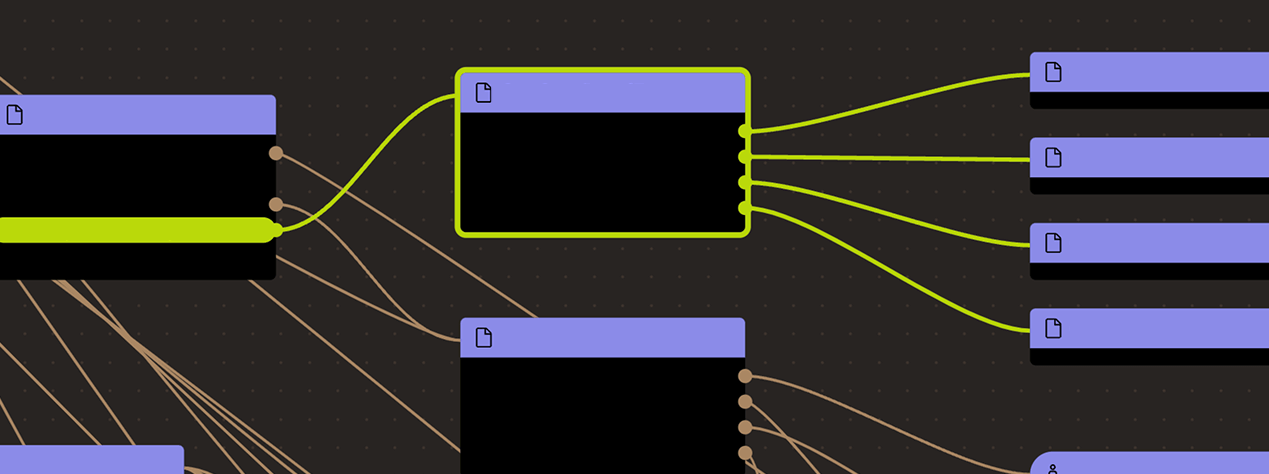
Scroll sideways to see the whole diagram, or tap to open it.
Ethereum
The main contract defining the Layer 2Layer 2 (L2) is a category of technical solutions aimed to scale the base layer in a trust minimized way. This category includes solutions like rollups as well as state channels and plasma. Other solutions are able to scale further, but with the introduction of additional trust assumptions, which are therefore not trust minimized. Sometimes the term Layer 2 is used to refer to include these solutions too, like validiums and optimiums, but to distinguish between trust minimized and non trust minimized solutions they are often referred to as "light" L2s, opposed to "strong" L2s like rollups.. OperatorAn operator is the entity charged with managing a rollup and progressing its state. A rollup operator can be a centralized sequencer, proposer, prover, challenger, pauser of admin that is able to perform upgrades. actions like commiting blocksAn ordered list of transactions and chain-related metadata that gets bundled together and published to the L1/DA layer. Nodes execute the transactions contained within blocks to change the rollup chain’s state. Protocol rules dictate what constitutes a valid block, and invalid blocks are skipped over., providing ZK proofs and executing batches ultimately target this contract which then processes transactions. During batch execution it processes L1Layer 1 (L1) is a blockchain that is self-reliant on its validator set for its security and consensus properties. Ethereum is an example of a layer 1. Blockchains started receiving the moniker of layer 1 once layer 2 became a meaningful area of development. --> L2 and L2 --> L1 transactions.
- Roles:
- getAdmin: ChainAdmin; ultimately Abstract Multisig
- validatorsIn the context of L2s, a Validator is an actor that validates the correctness of state transitions. For optimistic rollups this corresponds to challengers, and for ZK rollups this corresponds to the onchain verifier: Validator
Timelock
Intermediary contract between the ValidatorsIn the context of L2s, a Validator is an actor that validates the correctness of state transitions. For optimistic rollups this corresponds to challengers, and for ZK rollups this corresponds to the onchain verifier and the central diamond contract that delays blockAn ordered list of transactions and chain-related metadata that gets bundled together and published to the L1/DA layer. Nodes execute the transactions contained within blocks to change the rollup chain’s state. Protocol rules dictate what constitutes a valid block, and invalid blocks are skipped over. execution (ie withdrawals and other L2Layer 2 (L2) is a category of technical solutions aimed to scale the base layer in a trust minimized way. This category includes solutions like rollups as well as state channels and plasma. Other solutions are able to scale further, but with the introduction of additional trust assumptions, which are therefore not trust minimized. Sometimes the term Layer 2 is used to refer to include these solutions too, like validiums and optimiums, but to distinguish between trust minimized and non trust minimized solutions they are often referred to as "light" L2s, opposed to "strong" L2s like rollups. --> L1Layer 1 (L1) is a blockchain that is self-reliant on its validator set for its security and consensus properties. Ethereum is an example of a layer 1. Blockchains started receiving the moniker of layer 1 once layer 2 became a meaningful area of development. messages) by at least 0s. Duration could be configured individually for zk stack chains by chain admins. All delays are capped at 30 days. This version (Multisig
- Roles:
- admin: ProxyAdmin; ultimately Emergency
Upgrade Board - owner: Protocol
Upgrade Handler; ultimately Emergency Upgrade Board
- admin: ProxyAdmin; ultimately Emergency
Can be upgraded by: EmergencyUpgradeBoard with no delay
Defines L2Layer 2 (L2) is a category of technical solutions aimed to scale the base layer in a trust minimized way. This category includes solutions like rollups as well as state channels and plasma. Other solutions are able to scale further, but with the introduction of additional trust assumptions, which are therefore not trust minimized. Sometimes the term Layer 2 is used to refer to include these solutions too, like validiums and optimiums, but to distinguish between trust minimized and non trust minimized solutions they are often referred to as "light" L2s, opposed to "strong" L2s like rollups. diamond contract versions, creation and upgrade data and the proof systemThe infrastructure that allows projects to verify their state transitions. It is composed by onchain verifiers and offchain provers. The main two flavors are optimistic and ZK proof systems, but they can be combined in a hybrid model. In general though, if a system is able to accept state roots optimistically, even if it has a ZK component, it is considered an optimistic proof system. for all ZK stack chains connected to it. ZK chains are children of this central contract and can only upgrade to versions that were previously registered here. Since v31 the verifierAn entity in a ZK-Rollup, often a smart contract, that verifies zero-knowledge proofs submitted by a prover. of each protocol version is registered here and written into a chain when it applies the upgrade. The current protocol version is 0,31,2.
- Roles:
- admin: Chain
Admin Ownable, ProxyAdmin; ultimately Emergency Upgrade Board, Matter Labs Multisig - owner: Protocol
Upgrade Handler; ultimately Emergency Upgrade Board
- admin: Chain
Can be upgraded by: EmergencyUpgradeBoard with no delay
Contract that verifies the data availabilityThe property of a rollup's data being reachable by any node retrieving the data that were rolled up and executed to reach the proposed state. Data availability (DA), specifically decoupling it from the rollup nodes themselves, is one of the preeminent factors which allows a rollup to scale securely. A rollup is faced with a decision of what to use as a DA layer to guarantee that any node can retrieve this data--permissionlessly under any circumstance. For this reason, using Ethereum for DA currently provides the strongest security guarantees. If data is stored somewhere other than a permissionless L1, then the project is not a rollup, but rather a validium or an optimium. of ethereum calldata and blobsThe data that a rollup publishes to its L1/data availability (DA) layer. They consist of the L2 transactions that are rolled up, along with some metadata. Blobs are introduced as a new transaction type within Ethereum with EIP-4844, and has rollup scaling specifically in mind. Blobs persist on Ethereum’s Beacon Chain ephemerally.. Can be used by ZK stack rollups as the L1Layer 1 (L1) is a blockchain that is self-reliant on its validator set for its security and consensus properties. Ethereum is an example of a layer 1. Blockchains started receiving the moniker of layer 1 once layer 2 became a meaningful area of development. part of a DAValidator pair.
The main registry (hub) for all the contracts in the ZK stack cluster and central entrypoint for bridgeA message-passing protocol between two blockchains. At its most basic, a token bridge consists of a smart contract which can escrow funds on one side of the bridge, and instruct the release or minting of corresponding assets on the other side, but bridges could also support arbitrary messages. How these instructions are validated is a critical factor in assessing the trust assumptions of a bridge. transactions. Stores important mappings like from chainId to diamond address, from chainId to parent CTM, from chainId to base token and from chainId to settlementThe mechanism with which the execution of rollup blocks and the resultant state is verified and possible disputes are resolved. In the context of rollups or other modular blockchains, it often refers to the proof system used--validity (ZK) or fraud proofs, or a combination thereof. Sometimes it will refer to this mechanism along with where the mechanism's outputs are ultimately published and verified, as in Ethereum being a settlement layer by verifying the proofs and allowing for withdrawals. layer. Since v31 the L2Layer 2 (L2) is a category of technical solutions aimed to scale the base layer in a trust minimized way. This category includes solutions like rollups as well as state channels and plasma. Other solutions are able to scale further, but with the introduction of additional trust assumptions, which are therefore not trust minimized. Sometimes the term Layer 2 is used to refer to include these solutions too, like validiums and optimiums, but to distinguish between trust minimized and non trust minimized solutions they are often referred to as "light" L2s, opposed to "strong" L2s like rollups.->L1Layer 1 (L1) is a blockchain that is self-reliant on its validator set for its security and consensus properties. Ethereum is an example of a layer 1. Blockchains started receiving the moniker of layer 1 once layer 2 became a meaningful area of development. message and log inclusion proofs it offers are verified by the MessageRoot instead of each chain’s diamond.
- Roles:
- admin: Era
Chain Admin Proxy, ProxyAdmin; ultimately Emergency Upgrade Board, Matter Labs Multisig - owner: Protocol
Upgrade Handler; ultimately Emergency Upgrade Board
- admin: Era
Can be upgraded by: EmergencyUpgradeBoard with no delay
Service contract that registers one ZK stack chain on another for interop by sending an L1Layer 1 (L1) is a blockchain that is self-reliant on its validator set for its security and consensus properties. Ethereum is an example of a layer 1. Blockchains started receiving the moniker of layer 1 once layer 2 became a meaningful area of development.->L2Layer 2 (L2) is a category of technical solutions aimed to scale the base layer in a trust minimized way. This category includes solutions like rollups as well as state channels and plasma. Other solutions are able to scale further, but with the introduction of additional trust assumptions, which are therefore not trust minimized. Sometimes the term Layer 2 is used to refer to include these solutions too, like validiums and optimiums, but to distinguish between trust minimized and non trust minimized solutions they are often referred to as "light" L2s, opposed to "strong" L2s like rollups. service transaction through the Bridgehub. Only chains settling on the same settlementThe mechanism with which the execution of rollup blocks and the resultant state is verified and possible disputes are resolved. In the context of rollups or other modular blockchains, it often refers to the proof system used--validity (ZK) or fraud proofs, or a combination thereof. Sometimes it will refer to this mechanism along with where the mechanism's outputs are ultimately published and verified, as in Ethereum being a settlement layer by verifying the proofs and allowing for withdrawals. layer can be registered with each other.
- Roles:
- admin: ProxyAdmin; ultimately Emergency
Upgrade Board
- admin: ProxyAdmin; ultimately Emergency
Can be upgraded by: EmergencyUpgradeBoard with no delay
A router contract for verifiers of ZKsync OS chains. Routes verification requests to the PLONKA zk-SNARK proving system introduced by Gabizon, Williamson and Ciobotaru in 2019 that allows proving custom circuits. Plonk is based on KZG polynomial commitments and thus requires a universal trusted setup. verifierAn entity in a ZK-Rollup, often a smart contract, that verifies zero-knowledge proofs submitted by a prover. of the version selected in the proof, currently ZKsync
- Roles:
- owner: Protocol
Upgrade Handler; ultimately Emergency Upgrade Board
- owner: Protocol
Stores the batch roots of all ZK stack chains and verifies the L2Layer 2 (L2) is a category of technical solutions aimed to scale the base layer in a trust minimized way. This category includes solutions like rollups as well as state channels and plasma. Other solutions are able to scale further, but with the introduction of additional trust assumptions, which are therefore not trust minimized. Sometimes the term Layer 2 is used to refer to include these solutions too, like validiums and optimiums, but to distinguish between trust minimized and non trust minimized solutions they are often referred to as "light" L2s, opposed to "strong" L2s like rollups.->L1Layer 1 (L1) is a blockchain that is self-reliant on its validator set for its security and consensus properties. Ethereum is an example of a layer 1. Blockchains started receiving the moniker of layer 1 once layer 2 became a meaningful area of development. message, log and L1->L2 transaction status proofs used for withdrawals and failed deposit claims. Batch roots are appended by each chain while it settles on Ethereum; proofs of chains settling on a whitelisted settlementThe mechanism with which the execution of rollup blocks and the resultant state is verified and possible disputes are resolved. In the context of rollups or other modular blockchains, it often refers to the proof system used--validity (ZK) or fraud proofs, or a combination thereof. Sometimes it will refer to this mechanism along with where the mechanism's outputs are ultimately published and verified, as in Ethereum being a settlement layer by verifying the proofs and allowing for withdrawals. layer are verified recursively through that layer’s roots. Batches produced before a chain’s v31 upgrade are still verified against the chain’s own diamond.
- Roles:
- admin: ProxyAdmin; ultimately Emergency
Upgrade Board
- admin: ProxyAdmin; ultimately Emergency
Can be upgraded by: EmergencyUpgradeBoard with no delay
Asset deployment tracker where the ‘asset’ is a Chain
- Roles:
- admin: ProxyAdmin; ultimately Emergency
Upgrade Board
- admin: ProxyAdmin; ultimately Emergency
Can be upgraded by: EmergencyUpgradeBoard with no delay
Keeps the per-chain token balances of the L1
- Roles:
- admin: ProxyAdmin; ultimately Emergency
Upgrade Board - owner: Protocol
Upgrade Handler; ultimately Emergency Upgrade Board
- admin: ProxyAdmin; ultimately Emergency
Can be upgraded by: EmergencyUpgradeBoard with no delay
The only address allowed to commit, prove and execute batches of a chain while its Priority Mode (escape hatchThe facility for any user of a rollup to exit the system with their assets under any circumstance. Most relevant in rollups with a centralized proposer, wherein users do not have the ability to propose blocks, but can nonetheless exit the rollup by interacting with a smart contract on L1.) is active. Anyone can call it to settle batches of such a chain in one transaction, bypassing the Validator
- Roles:
- admin: ProxyAdmin; ultimately Emergency
Upgrade Board
- admin: ProxyAdmin; ultimately Emergency
Can be upgraded by: EmergencyUpgradeBoard with no delay
Canonical central asset router for all ZK stack chains. Routes deposits and withdrawals to the respective asset handlers (like the L1
- Roles:
- admin: ProxyAdmin; ultimately Emergency
Upgrade Board
- admin: ProxyAdmin; ultimately Emergency
Can be upgraded by: EmergencyUpgradeBoard with no delay
Canonical central asset escrow for all ZK stack chains. Since v31 the per-chain balance accounting that caps what each chain can withdraw is enforced by the L1AssetTracker, which the vault calls on every deposit, withdrawal and failed deposit claim.
- Roles:
- admin: ProxyAdmin; ultimately Emergency
Upgrade Board - owner: Protocol
Upgrade Handler; ultimately Emergency Upgrade Board
- admin: ProxyAdmin; ultimately Emergency

Can be upgraded by: EmergencyUpgradeBoard with no delay
Simple registry for allowed DA configurations for the ‘rollupA blockchain that inherits consensus and data availability from another blockchain called L1. Rollups enable trust minimized bridges with the base layer via proof systems, either optimistic or zero-knowledge. A rollup without a bridge, or without considering the bridge, is called a sovereign rollup.’ data availabilityThe property of a rollup's data being reachable by any node retrieving the data that were rolled up and executed to reach the proposed state. Data availability (DA), specifically decoupling it from the rollup nodes themselves, is one of the preeminent factors which allows a rollup to scale securely. A rollup is faced with a decision of what to use as a DA layer to guarantee that any node can retrieve this data--permissionlessly under any circumstance. For this reason, using Ethereum for DA currently provides the strongest security guarantees. If data is stored somewhere other than a permissionless L1, then the project is not a rollup, but rather a validium or an optimium. mode (can be permanently enforced with is
- Roles:
- owner: Protocol
Upgrade Handler; ultimately Emergency Upgrade Board
- owner: Protocol
Defines L2Layer 2 (L2) is a category of technical solutions aimed to scale the base layer in a trust minimized way. This category includes solutions like rollups as well as state channels and plasma. Other solutions are able to scale further, but with the introduction of additional trust assumptions, which are therefore not trust minimized. Sometimes the term Layer 2 is used to refer to include these solutions too, like validiums and optimiums, but to distinguish between trust minimized and non trust minimized solutions they are often referred to as "light" L2s, opposed to "strong" L2s like rollups. diamond contract versions, creation and upgrade data and the proof systemThe infrastructure that allows projects to verify their state transitions. It is composed by onchain verifiers and offchain provers. The main two flavors are optimistic and ZK proof systems, but they can be combined in a hybrid model. In general though, if a system is able to accept state roots optimistically, even if it has a ZK component, it is considered an optimistic proof system. for all ZK stack chains connected to it. ZK chains are children of this central contract and can only upgrade to versions that were previously registered here. Since v31 the verifierAn entity in a ZK-Rollup, often a smart contract, that verifies zero-knowledge proofs submitted by a prover. of each protocol version is registered here and written into a chain when it applies the upgrade. The current protocol version is 0,33,0.
- Roles:
- admin: Era
Chain Admin Proxy, ProxyAdmin; ultimately Emergency Upgrade Board, Matter Labs Multisig - owner: Protocol
Upgrade Handler; ultimately Emergency Upgrade Board
- admin: Era
Can be upgraded by: EmergencyUpgradeBoard with no delay
Contract responsible for bookkeeping L1Layer 1 (L1) is a blockchain that is self-reliant on its validator set for its security and consensus properties. Ethereum is an example of a layer 1. Blockchains started receiving the moniker of layer 1 once layer 2 became a meaningful area of development. bridging transactions. Used to finalize withdrawals and reclaim failed deposits, verifying the proofs through the MessageRoot since v31. Does not escrow funds.
- Roles:
- admin: ProxyAdmin; ultimately Emergency
Upgrade Board - owner: Protocol
Upgrade Handler; ultimately Emergency Upgrade Board
- admin: ProxyAdmin; ultimately Emergency
Can be upgraded by: EmergencyUpgradeBoard with no delay
Specialized asset handler for chains as assets, i.e. chain migrations between Ethereum and whitelisted settlementThe mechanism with which the execution of rollup blocks and the resultant state is verified and possible disputes are resolved. In the context of rollups or other modular blockchains, it often refers to the proof system used--validity (ZK) or fraud proofs, or a combination thereof. Sometimes it will refer to this mechanism along with where the mechanism's outputs are ultimately published and verified, as in Ethereum being a settlement layer by verifying the proofs and allowing for withdrawals. layers. It records the migration number and the batch intervals of each chain per settlement layer, which the MessageRoot uses to validate proofs, and gates migrations on the chain being upgraded to v31 with its base token registered in the L1AssetTracker.
- Roles:
- admin: ProxyAdmin; ultimately Emergency
Upgrade Board - owner: Protocol
Upgrade Handler; ultimately Emergency Upgrade Board
- admin: ProxyAdmin; ultimately Emergency
Can be upgraded by: EmergencyUpgradeBoard with no delay
The only address allowed to commit, prove and execute batches of a chain while its Priority Mode (escape hatchThe facility for any user of a rollup to exit the system with their assets under any circumstance. Most relevant in rollups with a centralized proposer, wherein users do not have the ability to propose blocks, but can nonetheless exit the rollup by interacting with a smart contract on L1.) is active. Anyone can call it to settle batches of such a chain in one transaction, bypassing the Validator
- Roles:
- admin: ProxyAdmin; ultimately Emergency
Upgrade Board
- admin: ProxyAdmin; ultimately Emergency
Can be upgraded by: EmergencyUpgradeBoard with no delay
The central upgrade contract and Governance proxy for all ZK stack contracts. Accepts successful DAO proposals from L2Layer 2 (L2) is a category of technical solutions aimed to scale the base layer in a trust minimized way. This category includes solutions like rollups as well as state channels and plasma. Other solutions are able to scale further, but with the introduction of additional trust assumptions, which are therefore not trust minimized. Sometimes the term Layer 2 is used to refer to include these solutions too, like validiums and optimiums, but to distinguish between trust minimized and non trust minimized solutions they are often referred to as "light" L2s, opposed to "strong" L2s like rollups. and emergency proposals from the Emergency
- Roles:
- admin: ProxyAdmin; ultimately Emergency
Upgrade Board - emergency
Upgrade : EmergencyBoard Upgrade Board - l2_protocol_governor: Protocol
Timelock Controller; ultimately Zk Protocol Governor - securityCouncil: SecurityCouncil
- zkFoundation: ZK Foundation Multisig
- admin: ProxyAdmin; ultimately Emergency
Can be upgraded by: EmergencyUpgradeBoard with no delay
A governance proxy that lets Abstract Multisig act through it.
- Roles:
- owner: Abstract Multisig
A governance proxy that lets Matter Labs Multisig act through it.
- Roles:
- owner: Matter Labs Multisig
A governance proxy that lets Matter Labs Multisig act through it.
- Roles:
- owner: Matter Labs Multisig
- Roles:
- owner: Abstract Multisig
- Roles:
- owner: Protocol
Upgrade Handler
- owner: Protocol
Verifies a zk-SNARKShort for "succinct non-interactive argument of knowledge", a SNARK is a widely used type of zero-knowledge proof that is short and fast to verify. Different kinds of SNARKs are usually systematized by proof size, verification time, and type of setup. The most famous SNARKs are Groth16, PLONK/Marlin, Bulletproofs, and STARKs. proof using an implementation of the PlonKA zk-SNARK proving system introduced by Gabizon, Williamson and Ciobotaru in 2019 that allows proving custom circuits. Plonk is based on KZG polynomial commitments and thus requires a universal trusted setup. proof systemThe infrastructure that allows projects to verify their state transitions. It is composed by onchain verifiers and offchain provers. The main two flavors are optimistic and ZK proof systems, but they can be combined in a hybrid model. In general though, if a system is able to accept state roots optimistically, even if it has a ZK component, it is considered an optimistic proof system..
A router contract for verifiers. Routes verification requests to Era
Verifies a zk-SNARKShort for "succinct non-interactive argument of knowledge", a SNARK is a widely used type of zero-knowledge proof that is short and fast to verify. Different kinds of SNARKs are usually systematized by proof size, verification time, and type of setup. The most famous SNARKs are Groth16, PLONK/Marlin, Bulletproofs, and STARKs. proof using an implementation of the PlonKA zk-SNARK proving system introduced by Gabizon, Williamson and Ciobotaru in 2019 that allows proving custom circuits. Plonk is based on KZG polynomial commitments and thus requires a universal trusted setup. proof systemThe infrastructure that allows projects to verify their state transitions. It is composed by onchain verifiers and offchain provers. The main two flavors are optimistic and ZK proof systems, but they can be combined in a hybrid model. In general though, if a system is able to accept state roots optimistically, even if it has a ZK component, it is considered an optimistic proof system..
Verifies a zk-SNARKShort for "succinct non-interactive argument of knowledge", a SNARK is a widely used type of zero-knowledge proof that is short and fast to verify. Different kinds of SNARKs are usually systematized by proof size, verification time, and type of setup. The most famous SNARKs are Groth16, PLONK/Marlin, Bulletproofs, and STARKs. proof using an implementation of the fflonk proof systemThe infrastructure that allows projects to verify their state transitions. It is composed by onchain verifiers and offchain provers. The main two flavors are optimistic and ZK proof systems, but they can be combined in a hybrid model. In general though, if a system is able to accept state roots optimistically, even if it has a ZK component, it is considered an optimistic proof system..
Verifies a zk-SNARKShort for "succinct non-interactive argument of knowledge", a SNARK is a widely used type of zero-knowledge proof that is short and fast to verify. Different kinds of SNARKs are usually systematized by proof size, verification time, and type of setup. The most famous SNARKs are Groth16, PLONK/Marlin, Bulletproofs, and STARKs. proof using an implementation of the fflonk proof systemThe infrastructure that allows projects to verify their state transitions. It is composed by onchain verifiers and offchain provers. The main two flavors are optimistic and ZK proof systems, but they can be combined in a hybrid model. In general though, if a system is able to accept state roots optimistically, even if it has a ZK component, it is considered an optimistic proof system..
A simple contract that can be called by the ChainAdmin to emit notifications about chain migrations.
- Roles:
- admin: ProxyAdmin; ultimately Matter Labs Multisig
Can be upgraded by: Matter Labs Multisig with no delay
A simple contract that can be called by the ChainAdmin to emit notifications about chain migrations.
- Roles:
- admin: ProxyAdmin; ultimately Matter Labs Multisig
Can be upgraded by: Matter Labs Multisig with no delay
ZKsync Era
Timelock contract allowing the queueing of transactions with a minimum delay of 0s.
- Roles:
- canceller: Zk
Protocol Governor - executor: Zk
Protocol Governor - proposerIn the context of L2s, the actor that proposes a claimed state root on L1. The term is also used in the context of Ethereum to refer to the actor that proposes a new block.: Zk
Protocol Governor - timelockAdmin: Protocol
Timelock Controller; ultimately Zk Protocol Governor
- canceller: Zk
The ZK token contract on ZKsync Era. Mintable through access control roles. Used for voting in the ZK stack governance system.
- Roles:
- admin: Zk
Token Proxy Admin; ultimately Emergency Upgrade Board - defaultAdmin: Protocol
Upgrade Handler; ultimately Emergency Upgrade Board - minterAdmin: Zk
Token Timelock Controller; ultimately ZkTokenGovernor
- admin: Zk
Can be upgraded by: EmergencyUpgradeBoard with no delay
Timelock contract allowing the queueing of transactions with a minimum delay of 3d.
- Roles:
- canceller: ZkTokenGovernor
- executor: ZkTokenGovernor
- proposerIn the context of L2s, the actor that proposes a claimed state root on L1. The term is also used in the context of Ethereum to refer to the actor that proposes a new block.: ZkTokenGovernor
- timelockAdmin: Zk
Token Timelock Controller; ultimately ZkTokenGovernor
Program hashes
Hash | Repository | Verification | Used in | ||||||||||||||||||||||||||||||||||||||||||||||||||||||||||||||||||||||||||||||||||||||||||||||||
|---|---|---|---|---|---|---|---|---|---|---|---|---|---|---|---|---|---|---|---|---|---|---|---|---|---|---|---|---|---|---|---|---|---|---|---|---|---|---|---|---|---|---|---|---|---|---|---|---|---|---|---|---|---|---|---|---|---|---|---|---|---|---|---|---|---|---|---|---|---|---|---|---|---|---|---|---|---|---|---|---|---|---|---|---|---|---|---|---|---|---|---|---|---|---|---|---|---|---|---|
Hash | Repository | Verification | Used in | ||||||||||||||||||||||||||||||||||||||||||||||||||||||||||||||||||||||||||||||||||||||||||||||||
|---|---|---|---|---|---|---|---|---|---|---|---|---|---|---|---|---|---|---|---|---|---|---|---|---|---|---|---|---|---|---|---|---|---|---|---|---|---|---|---|---|---|---|---|---|---|---|---|---|---|---|---|---|---|---|---|---|---|---|---|---|---|---|---|---|---|---|---|---|---|---|---|---|---|---|---|---|---|---|---|---|---|---|---|---|---|---|---|---|---|---|---|---|---|---|---|---|---|---|---|
Hash | Repository | Verification | Used in | ||||||||||||||||||||||||||||||||||||||||||||||||||||||||||||||||||||||||||||||||||||||||||||||||
|---|---|---|---|---|---|---|---|---|---|---|---|---|---|---|---|---|---|---|---|---|---|---|---|---|---|---|---|---|---|---|---|---|---|---|---|---|---|---|---|---|---|---|---|---|---|---|---|---|---|---|---|---|---|---|---|---|---|---|---|---|---|---|---|---|---|---|---|---|---|---|---|---|---|---|---|---|---|---|---|---|---|---|---|---|---|---|---|---|---|---|---|---|---|---|---|---|---|---|---|
0x0100...6a37 | None | | |||||||||||||||||||||||||||||||||||||||||||||||||||||||||||||||||||||||||||||||||||||||||||||||||